

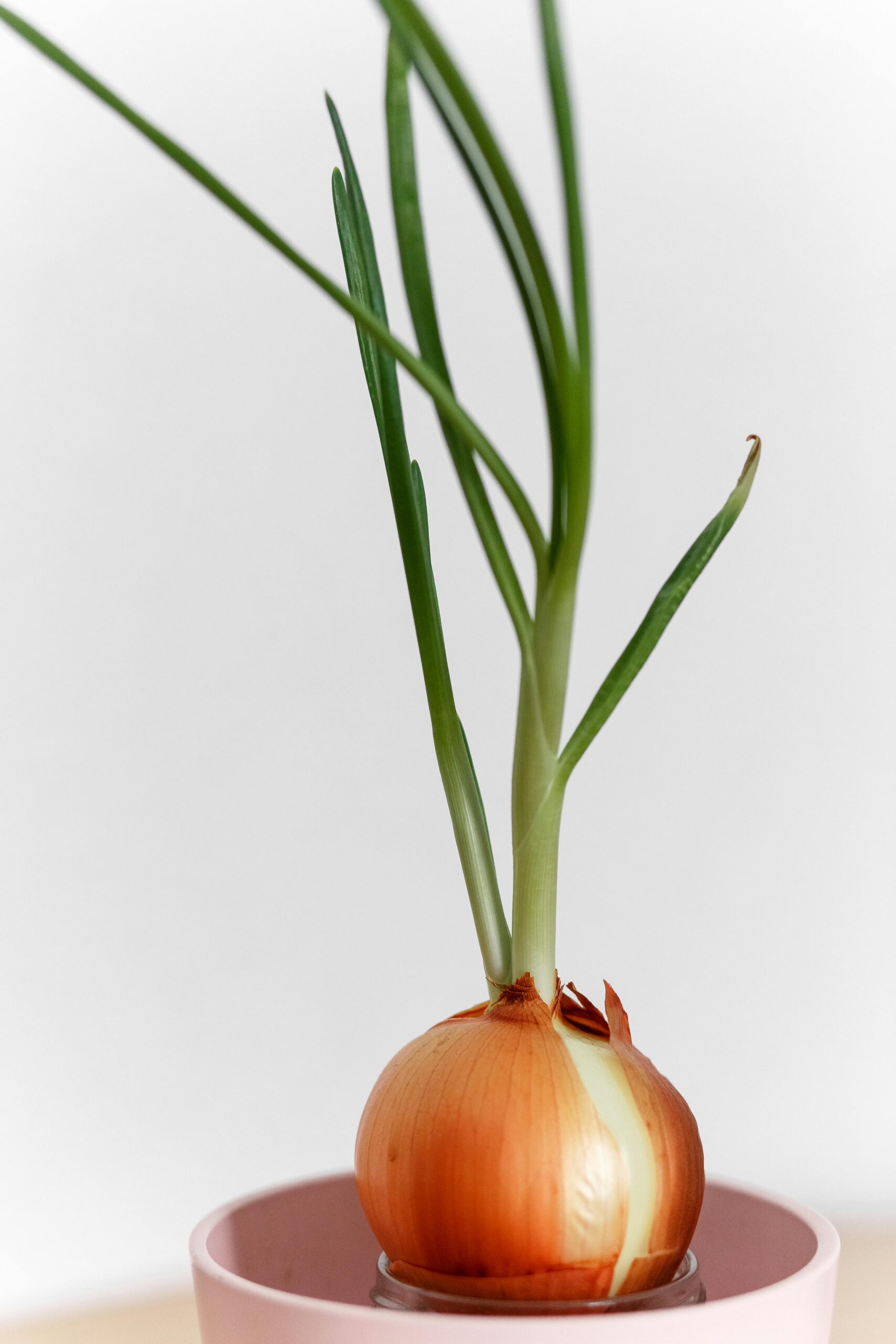



- Report on the Efficacy of Onion (Allium cepa) in the Treatment of Hair Loss
1.0 Executive Summary
This report examines the scientific basis for using onion (Allium cepa L.) as a treatment for hair loss. Current evidence, primarily from a key clinical study, indicates that topical application of onion juice can be an effective treatment for the autoimmune condition alopecia areata, demonstrating statistically significant hair regrowth. The proposed mechanisms of action include its high sulfur content, potent antioxidant properties, and antimicrobial effects. While the results for alopecia areata are promising, robust evidence for its efficacy against androgenetic alopecia (male/female pattern baldness) is limited. Further large-scale studies are required to solidify these findings and establish standardized formulations.
2.0 Introduction
Hair loss (alopecia) is a common condition with significant psychosocial impact. While pharmaceutical treatments like minoxidil and finasteride exist, interest in natural, accessible, and cost-effective alternatives remains high. The common onion (Allium cepa L.) has been a mainstay of folk medicine for various ailments, and its application for hair loss has recently been subjected to scientific scrutiny. This report consolidates the clinical and biochemical evidence for onion as a hair growth promoter.
3.0 Key Clinical Evidence
The most significant direct clinical evidence comes from a 2002 study published in the Journal of Dermatology.
3.1 Primary Clinical Study
A randomized,controlled, and single-blinded study conducted by Sharquie and Al-Obaidi (2002) investigated the effects of topical onion juice on alopecia areata. The study involved 38 patients who were divided into two groups:
· Test Group: Applied crude onion juice to the scalp twice daily.
· Control Group: Applied tap water twice daily.
The results after 6 weeks were as follows:
· 86.9% (23 of 28 patients) in the onion juice group showed clinically significant hair regrowth, beginning as early as two weeks after treatment.
· 13% (2 of 15 patients) in the control group showed regrowth.
· The response rate was higher in males (93.7%) than in females (71.4%).
· The study concluded that “crude onion juice gave significantly higher results with regard to hair regrowth than did tap water (P < 0.0001)” and recommended it as an effective topical therapy for alopecia areata.
4.0 Proposed Mechanisms of Action
The therapeutic effects of onion on hair growth are attributed to its rich biochemical composition. The primary proposed mechanisms include:
4.1 High Sulfur Content: Onions are a rich source of sulfur, a key structural component of keratin (the primary protein in hair). Sulfur is also believed to stimulate blood circulation to the hair follicles, improving nutrient delivery and follicle health (Sharquie & Al-Obaidi, 2002).
4.2 Antioxidant Activity: Onions contain high levels of flavonoids, such as quercetin, which are potent antioxidants. These compounds help neutralize reactive oxygen species (ROS) that can cause oxidative stress and damage to hair follicles, a known contributor to hair aging and apoptosis (programmed cell death) (Hosking, Juhasz, & Atanaskova Mesinkovska, 2019).
4.3 Antimicrobial and Anti-inflammatory Effects: The topical application of onion juice has demonstrated antimicrobial properties, which can help maintain a healthy scalp microbiome by reducing bacterial and fungal load (D’Agostino, Pirozzi, & De Napoli, 2015). Furthermore, its anti-inflammatory effects may be beneficial in managing inflammatory scalp conditions that can disrupt the hair growth cycle.
4.4 Inhibition of Follicle Regression: In vitro studies have suggested that onion extract may help prolong the anagen (growth) phase of the hair cycle by preventing the premature entry of follicles into the catagen (regression) phase.
5.0 Limitations and Considerations
Despite the promising results, several limitations must be acknowledged:
· Specificity of Condition: The primary evidence supports its use for alopecia areata. Its efficacy for the more common androgenetic alopecia, while biologically plausible, lacks the same level of clinical validation.
· Sample Size and Scope: The 2002 study, while rigorous, was relatively small. Larger, multi-center trials are needed to reinforce these findings.
· Practical Drawbacks: The pungent and persistent odor of onion juice is a major deterrent for user compliance. It can also cause scalp irritation, itching, or contact dermatitis in individuals with sensitive skin.
· Lack of Standardization: The concentration, preparation method (juice vs. extract), and application frequency have not been standardized across potential products.
6.0 Conclusion
Current scientific literature provides a strong foundation for the use of topical onion juice, particularly as a treatment for alopecia areata. The clinical study by Sharquie and Al-Obaidi (2002) offers compelling evidence of its efficacy, supported by well-understood biochemical mechanisms related to sulfur, antioxidants, and scalp health.
For individuals suffering from alopecia areata, onion juice presents a viable, low-cost, and natural therapeutic option. For those with other forms of hair loss, it may serve as a complementary treatment to support scalp health, though expectations should be managed. Future research should focus on larger clinical trials, the development of odor-neutralized formulations, and exploration of its effects on androgenetic alopecia.
7.0 References
· D’Agostino, M., Pirozzi, A. V. A., & De Napoli, L. (2015). Allium cepa L. as a Natural Source of Antimicrobials. In Microbial Pathogens and Strategies for Combating Them: Science, Technology and Education (pp. 1317-1325). Formatex Research Center.
· Hosking, A., Juhasz, M., & Atanaskova Mesinkovska, N. (2019). Complementary and Alternative Treatments for Alopecia: A Comprehensive Review. Skin Appendage Disorders, 5(2), 72-89. https://doi.org/10.1159/000492035
· Sharquie, K. E., & Al-Obaidi, H. K. (2002). Onion juice (Allium cepa L.), a new topical treatment for alopecia areata. Journal of Dermatology, 29(6), 343-346. https://doi.org/10.1111/j.1346-8138.2002.tb00277.x

REPORT | “Pollution Isn’t Patriotic”
“Pollution Isn’t Patriotic”: American Rivers Mobilizes for Clean Water as a National Priority In January 2025, the conservation organization American…




Leave a Reply