

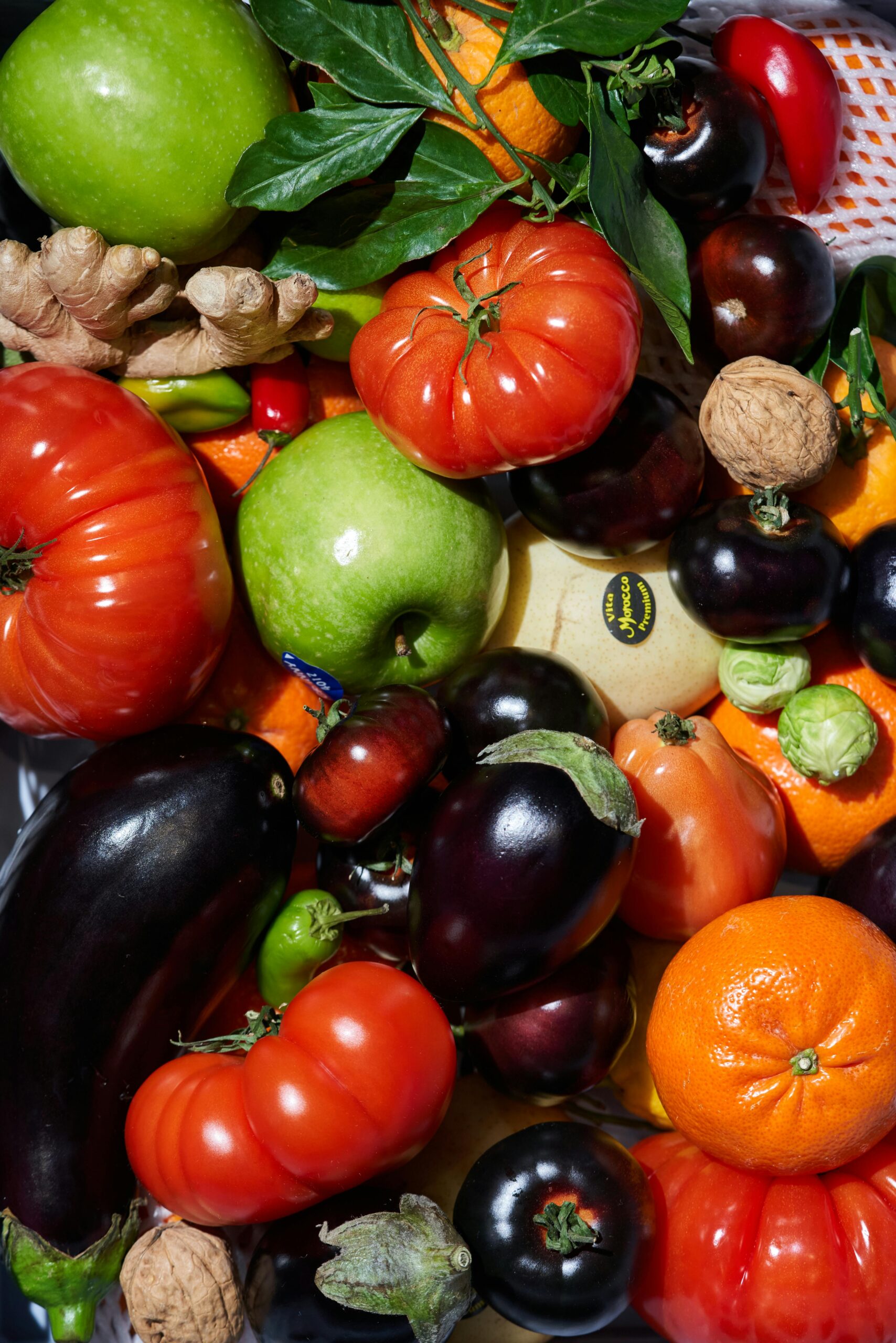



Vitamin C (ascorbic acid) is essential for immune function, collagen production, antioxidant protection, and iron absorption. While citrus fruits like oranges are famous for it, many people avoid them due to acidity concerns (e.g., acid reflux, sensitive stomachs, or taste preferences). The good news? Plenty of milder, non-acidic or low-acidity foods deliver impressive amounts—often rivaling or surpassing citrus—without the tangy bite.Here are three of the best everyday sources, selected for their high vitamin C content, wide availability, versatility, and relatively neutral or sweet profiles (lower perceived acidity than citrus):
- Red Bell Peppers
Red bell peppers stand out as one of the richest and most accessible non-citrus sources. A medium-sized red bell pepper (or about 1 cup chopped raw) provides around 150–190 mg of vitamin C—often exceeding the daily recommended intake (75–90 mg for most adults, up to 190%+ DV in one serving). Red varieties pack more than green ones due to ripening. They’re mildly sweet, low in acidity, and perfect raw in salads, roasted, stuffed, or stir-fried. Their crunch and color make them a flavorful addition without overwhelming tartness. - Kiwi Fruit
One medium kiwi offers about 70–90 mg of vitamin C (often 100%+ DV per fruit), with some sources noting up to 167 mg per cup of slices. Kiwis have a milder, sweeter-tangy taste than citrus, with edible skin for extra nutrients. They’re easy to eat fresh, blend into smoothies, or add to yogurt/fruit bowls. Their gentle profile makes them ideal for those dodging strong acidity. - Broccoli
Broccoli delivers solid vitamin C with minimal acidity—about 50–80 mg per ½–1 cup cooked (or higher when raw/light-steamed, around 89 mg in some measures). It’s nutrient-dense, pairing vitamin C with fiber, vitamin K, and folate. Steam or lightly cook to preserve the vitamin (heat reduces it slightly), then enjoy in sides, stir-fries, soups, or raw with dips. Its neutral, earthy flavor avoids any citrus-like sharpness.
These foods help meet or exceed daily needs easily. For context, an average orange provides 70 mg, so these options often outperform it per serving while being gentler on the stomach. Other strong non-citrus contenders include strawberries (85 mg per cup), Brussels sprouts (~75 mg per cup raw), and guava (extremely high but less common and sometimes tart). To maximize intake, eat them raw or minimally cooked, as vitamin C is water- and heat-sensitive.Incorporating these into meals supports overall health without relying on citrus. Consult a healthcare provider for personalized needs, especially if you have conditions affecting absorption.Citations
- U.S. Department of Agriculture (USDA) FoodData Central and National Nutrient Database references (various entries for bell peppers, kiwi, broccoli, etc.).
- Healthline. “20 Foods That Are High in Vitamin C.” (Updated sources confirm bell peppers, kiwi, broccoli rankings).
- MyFoodData. “Top 10 Foods Highest in Vitamin C.” (Nov 10, 2024; details on mg per serving comparisons).
- WebMD. “Sources of Vitamin C Other Than Oranges.” (Aug 30, 2024; highlights red pepper, kiwi, broccoli).
- Office of Dietary Supplements (ODS), National Institutes of Health. “Vitamin C – Health Professional Fact Sheet.” (Jul 31, 2025 update).
- Prevention. “15 Foods That Contain More Vitamin C Than an Orange.” (Jul 31, 2025; specific mg for bell peppers).

REPORT | “Pollution Isn’t Patriotic”
“Pollution Isn’t Patriotic”: American Rivers Mobilizes for Clean Water as a National Priority In January 2025, the conservation organization American…




Leave a Reply