

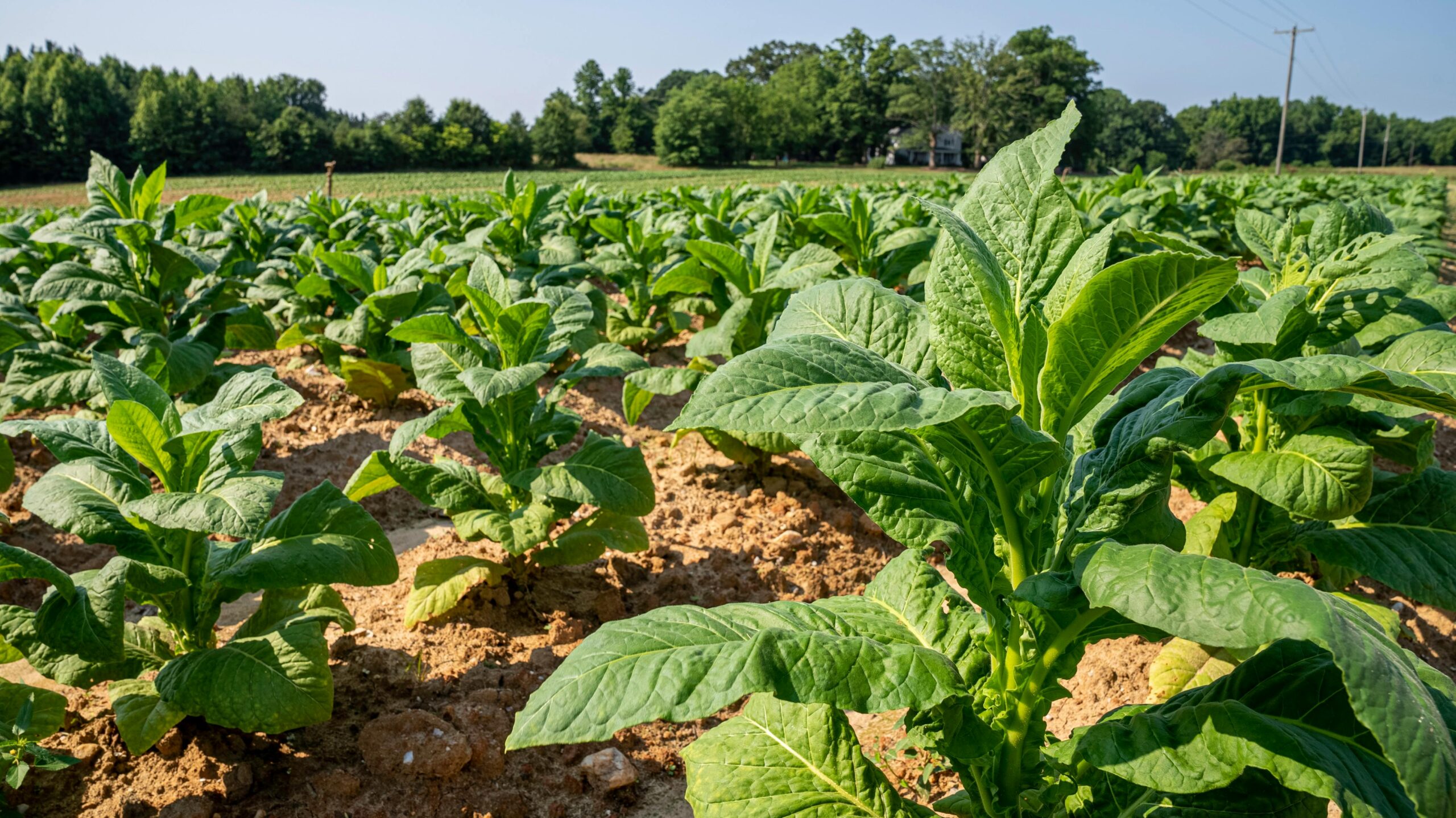



Introduction
Tobacco (Nicotiana tabacum) has long been associated with negative health impacts due to its use in smoking and other tobacco products. However, recent advancements in genetic engineering and biotechnology have opened new avenues for utilizing tobacco plants in beneficial ways. This report explores the potential of genetically modified tobacco plants in producing vaccines, therapeutic proteins, and other valuable compounds, while also considering the environmental and economic implications of such applications.
1. Genetic Modification of Tobacco Plants
Genetic engineering has enabled the modification of tobacco plants to express foreign genes, allowing for the production of various proteins. Tobacco is particularly suited for this purpose due to its rapid growth cycle, high biomass yield, and established transformation protocols.
A study by Huang et al. (2019) demonstrated the successful expression of a recombinant protein in tobacco, showcasing the plant’s ability to serve as a bioreactor. The researchers utilized Agrobacterium tumefaciens-mediated transformation to introduce a gene encoding a therapeutic protein into the tobacco genome. The resulting plants produced significant quantities of the protein, indicating the feasibility of using tobacco for large-scale production.
2. Vaccine Production
One of the most promising applications of genetically modified tobacco is in the field of vaccine development. Tobacco plants can be engineered to produce antigens that stimulate an immune response, potentially leading to effective vaccines against various diseases.
Sharma et al. (2020) explored the use of tobacco for producing a plant-based vaccine targeting the human papillomavirus (HPV). The researchers inserted the gene encoding the L1 protein of HPV into tobacco plants, resulting in the production of virus-like particles (VLPs). In preclinical trials, these VLPs elicited a robust immune response in animal models, suggesting that tobacco-derived vaccines could be a viable alternative to traditional vaccine production methods.
Furthermore, Daniell et al. (2021) reported on the use of tobacco plants to produce a vaccine against the Ebola virus. The study highlighted the rapid production capabilities of tobacco, which allowed for a quick response during outbreaks. The researchers found that the tobacco-derived vaccine was effective in eliciting protective immunity in animal models, demonstrating the potential of tobacco as a platform for emergency vaccine production.
3. Production of Therapeutic Compounds
In addition to vaccines, tobacco plants have been investigated for their ability to produce therapeutic proteins, including monoclonal antibodies and enzymes.
Khan et al. (2021) reported on the successful expression of a monoclonal antibody in tobacco plants, which could be used for the treatment of various diseases, including cancer. The study emphasized the advantages of using tobacco for therapeutic protein production, including lower production costs and the ability to scale up production rapidly. The researchers noted that the tobacco-derived antibodies exhibited similar efficacy to those produced in mammalian cell systems, making them a competitive alternative.
Moreover, Lee et al. (2022) explored the potential of tobacco plants to produce enzymes for bioremediation. The study focused on engineering tobacco to express enzymes capable of degrading environmental pollutants. The results indicated that tobacco could be used to enhance soil and water quality, showcasing its versatility beyond traditional applications.
4. Environmental and Economic Benefits
Utilizing tobacco plants for biotechnology not only has medical implications but also offers environmental and economic benefits. By repurposing tobacco cultivation, farmers can diversify their crops and potentially increase their income.
A report by Smith et al. (2022) discussed the economic viability of transitioning from traditional tobacco farming to biotechnological applications. The authors highlighted that farmers could benefit from higher-value crops, reducing their reliance on the declining tobacco market. Additionally, the study emphasized the potential for sustainable agricultural practices, as biotechnological applications could lead to reduced pesticide use and improved soil health.
5. Regulatory and Safety Considerations
While the potential benefits of genetically modified tobacco are significant, regulatory and safety considerations must be addressed. The introduction of genetically modified organisms (GMOs) into the environment raises concerns about biodiversity, gene transfer to wild relatives, and potential allergenicity.
Jones et al. (2023) conducted a comprehensive review of the regulatory landscape surrounding GMOs, emphasizing the need for robust safety assessments before the commercial release of genetically modified tobacco. The authors advocated for transparent regulatory processes that involve public engagement and scientific scrutiny to ensure the safe use of biotechnology in agriculture and medicine.
Conclusion
The exploration of tobacco plants in biotechnology represents a significant shift in how this crop is perceived. With ongoing research and development, genetically modified tobacco has the potential to contribute to vaccine production, therapeutic applications, and environmental remediation. Continued studies will be essential to fully realize the benefits and address any regulatory or safety concerns associated with the use of genetically modified organisms in medicine and agriculture.

REPORT | “Pollution Isn’t Patriotic”
“Pollution Isn’t Patriotic”: American Rivers Mobilizes for Clean Water as a National Priority In January 2025, the conservation organization American…




Leave a Reply