

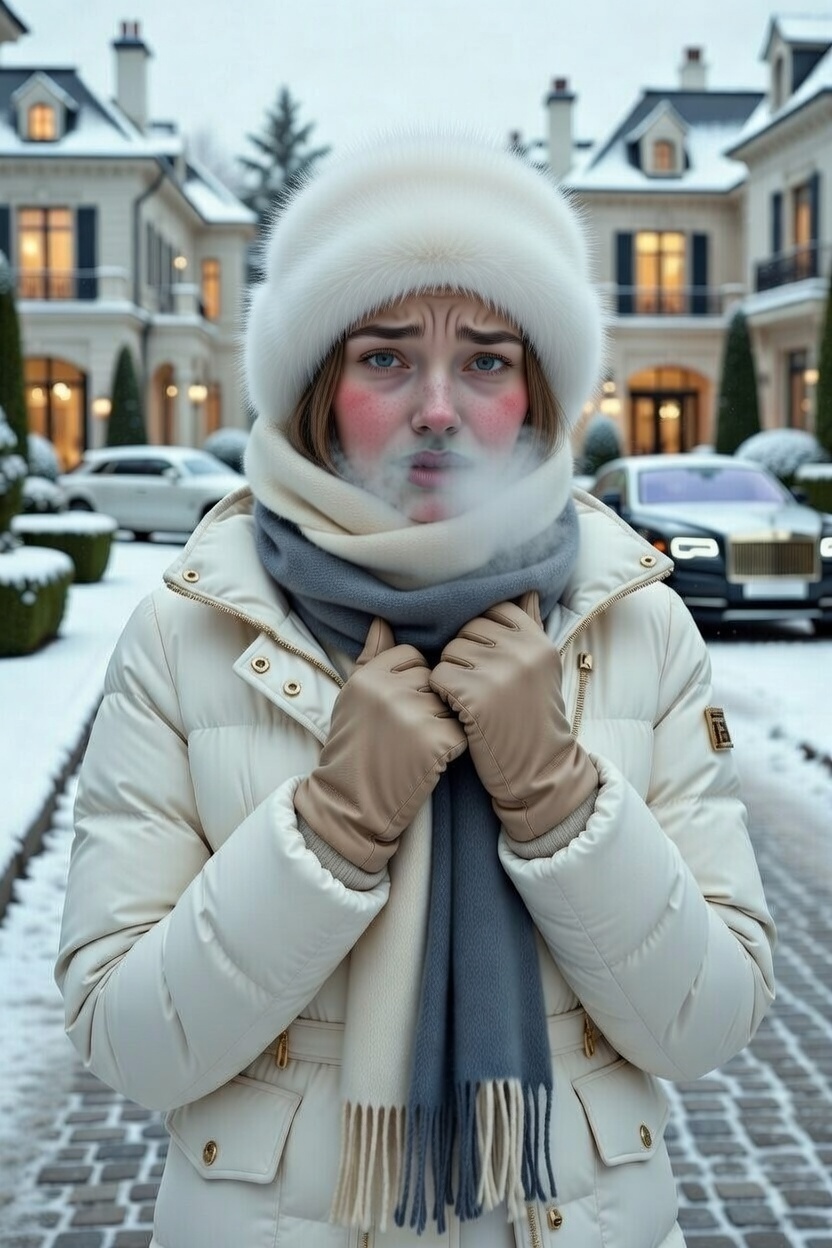



Chilled to the Bone? The Hidden Dangers of Cold Urticaria
Cold urticaria, often colloquially referred to as an “allergy to the cold,” is a rare but potentially serious medical condition where exposure to cold temperatures triggers an allergic-like reaction in the body. This can manifest as hives, swelling, or in severe cases, life-threatening anaphylaxis. While it may sound like a quirky anomaly, cold urticaria affects thousands worldwide and has been the subject of numerous scientific studies exploring its prevalence, mechanisms, risks, and treatments. This report delves into the latest research, drawing from systematic reviews, meta-analyses, and clinical studies to provide a comprehensive overview.
What is Cold Urticaria?
Cold urticaria is a subtype of chronic inducible urticaria (CIndU), characterized by the development of wheals (hives), angioedema (swelling), or both in response to cold stimuli such as cold air, water, or objects. Symptoms typically appear within minutes of exposure and can last for hours. The condition is classified into acquired cold urticaria (most common) and rare hereditary forms. It differs from other urticarias as it is physically induced rather than spontaneous, though some patients may experience overlapping symptoms like spontaneous wheals.
The underlying causes remain incompletely understood, but research points to mechanisms like autoallergy, autoimmunity, neurogenic pathways, and aberrant temperature sensing. In some cases, genetic factors such as mutations in the KIT gene (p.D816V) or hereditary alpha-tryptasemia (HαT) have been linked to increased risk and severity. Triggers vary widely, from swimming in cold water to drinking iced beverages, and even environmental factors like living in colder climates may influence prevalence.
Prevalence and Epidemiology
Studies estimate the annual incidence of cold urticaria at about 0.05% of the population, with higher rates in colder regions. A systematic review and meta-analysis found that cold urticaria accounts for 7.62% of all chronic urticaria cases and 26.10% of chronic inducible urticaria cases. It predominantly affects young adults, with onset often between the second and fourth decades of life, though pediatric cases are documented as young as 6 months. Women are more frequently affected, and the condition is more common in atopic individuals.
Recent international studies, such as the COLD-CE study, have highlighted variability in prevalence across populations, with atypical forms (negative cold stimulation tests) comprising up to 42.4% of cases. The lifetime prevalence and trends over time remain areas for further research.
Symptoms and Diagnosis
Symptoms range from mild localized hives and itching to severe systemic reactions. Common manifestations include redness, swelling, and wheals on exposed skin, but extracutaneous symptoms like respiratory distress, gastrointestinal issues, or cardiovascular involvement can occur. Diagnosis typically involves a detailed patient history and cold provocation tests, such as the ice cube test or TempTest device, which measure critical stimulation time and temperature thresholds. Laboratory tests may include basal serum tryptase and total IgE levels, which are often elevated in severe cases.
Challenges in diagnosis arise with atypical presentations, where standard tests may be negative, requiring tailored provocation methods based on patient history.
Risks and Potential Fatality
While most cases are benign and self-limiting, cold urticaria carries a significant risk of anaphylaxis, particularly during full-body exposures like swimming. Meta-analyses report anaphylaxis in 21.49% of patients, with higher risks in those with typical cold urticaria, early onset, atopy, or genetic factors like HαT (prevalence 10.9-15.2% in affected individuals vs. 5.7% in the general population). Cold-induced anaphylaxis (ColdA) can involve hypotension, breathlessness, or gastrointestinal symptoms, and has been linked to drowning or cardiac complications in rare fatal cases.
In pediatric cohorts, up to 36.7% experience anaphylaxis, often triggered by aquatic activities. Even ingestion of cold substances, like drinking cold water, can provoke severe reactions in susceptible individuals. Yes, it can be fatal if untreated, though deaths are exceedingly rare with proper management.
Treatment and Management
Management focuses on trigger avoidance, such as wearing protective clothing in cold weather or avoiding cold swims. Pharmacological treatments include H1-antihistamines as first-line therapy (used in 95.67% of cases), often at higher doses for symptom control. For refractory cases, biologics like omalizumab (anti-IgE) have shown efficacy, resolving symptoms in some patients. Epinephrine auto-injectors are recommended for high-risk patients to manage anaphylaxis.
Resolution occurs spontaneously in many cases, with studies reporting remission rates varying by phenotype.
Key Studies and Research Insights
Numerous studies have advanced our understanding of cold urticaria. A 2022 meta-analysis by Prosty et al. synthesized data from 22 studies, quantifying prevalence, management, and anaphylaxis risks. The 2025 study by Bizjak et al. explored genetic links, finding higher HαT and KIT mutations in affected patients. Pediatric-focused research, like a 2022 cohort study, highlighted higher anaphylaxis rates in children. Ongoing questions include the progression from acute to chronic forms and geographic variations in prevalence.
Cold urticaria is more than a mere inconvenience—it’s a condition with real risks, including potentially fatal anaphylaxis. Advances in research have improved diagnosis and management, emphasizing antihistamines, biologics, and genetic screening for high-risk cases. For residents in cold areas like Providence, Rhode Island, awareness is key: consult an allergist if symptoms arise, especially during winter. With proper precautions, most individuals can lead normal lives, but ignoring triggers can turn a chill into a crisis.
References
- Prosty C, et al. (2022). Prevalence, Management, and Anaphylaxis Risk of Cold Urticaria: A Systematic Review and Meta-Analysis. PubMed. https://pubmed.ncbi.nlm.nih.gov/34673287
- AAAAI. (2021). Cold urticaria prevalence, treatments, and risk of anaphylaxis. https://www.aaaai.org/tools-for-the-public/latest-research-summaries/the-journal-of-allergy-and-clinical-immunology-in/2021/cold-urticaria
- Prosty C, et al. (2022). Prevalence, Management, and Anaphylaxis Risk of Cold Urticaria: A Systematic Review and Meta-Analysis. JACI in Practice. https://www.jaci-inpractice.org/article/S2213-2198(21)01129-6/abstract
- Hochstadter EF, et al. (2013). Cold-induced urticaria: challenges in diagnosis and management. PMC – NIH. https://pmc.ncbi.nlm.nih.gov/articles/PMC3736478
- Bizjak M, et al. (2025). Cold-induced anaphylaxis: new insights into clinical and genetic characteristics. Frontiers in Immunology. https://www.frontiersin.org/journals/immunology/articles/10.3389/fimmu.2025.1558284/full
- Diaz VL, et al. (2023). Cold Urticaria Syndromes: Diagnosis and Management. ScienceDirect. https://www.sciencedirect.com/science/article/abs/pii/S2213219823006049
- NORD. (2024). Cold Urticaria – Symptoms, Causes, Treatment. https://rarediseases.org/rare-diseases/urticaria-cold
- Alrafiaah AS, et al. (2024). Cold-induced anaphylaxis triggered by drinking cold water. Allergologia et Immunopathologia. https://all-imm.com/index.php/aei/article/view/1041/1543
- Bizjak M, et al. (2024). Risk of Anaphylaxis Associated with Cold Urticaria. Springer Link. https://link.springer.com/article/10.1007/s40521-024-00366-9
- Boyce JA. (2006). Successful treatment of cold-induced urticaria/anaphylaxis with anti-IgE. JACI Online. https://www.jacionline.org/article/S0091-6749%252806%252900852-9/fulltext
- Alrafiaah AS, et al. (2024). Cold-induced anaphylaxis triggered by drinking cold water. Allergologia et Immunopathologia. https://all-imm.com/index.php/aei/article/view/1041
- Prosty C, et al. (2022). Original Article Prevalence, Management, and Anaphylaxis Risk of Cold Urticaria: A Systematic Review and Meta-Analysis. ScienceDirect. https://www.sciencedirect.com/science/article/abs/pii/S2213219821011296
- HCPLive. (2025). Study Links Key Clinical Features, Biomarkers to Cold-Induced Anaphylaxis. https://www.hcplive.com/view/study-links-key-clinical-features-biomarkers-to-cold-induced-anaphylaxis
- Maltseva N, et al. (2021). Cold urticaria – What we know and what we do not know. Wiley Online Library. https://onlinelibrary.wiley.com/doi/10.1111/all.14674
- Bizjak M, et al. (2025). Cold-induced anaphylaxis: new insights into clinical and genetic characteristics. PMC. https://pmc.ncbi.nlm.nih.gov/articles/PMC11885499
- Bizjak M, et al. (2024). Risk of Anaphylaxis Associated with Cold Urticaria. ResearchGate. https://www.researchgate.net/publication/381576443_Risk_of_Anaphylaxis_Associated_with_Cold_Urticaria
- Cureus. (2024). Cold-Induced Urticaria in a Paediatric Patient: A Case Report and Literature Review. https://www.cureus.com/articles/219946-cold-induced-urticaria-in-a-paediatric-patient-a-case-report-and-literature-review
- Belluco PES, et al. (2021). Cold urticaria and your risk of anaphylaxis. Portal RCS. https://portalrcs.hcitajuba.org.br/index.php/rcsfmit_zero/article/view/1081
- Prosty C, et al. (2022). Cold Urticaria in a Pediatric Cohort: Clinical Characteristics, Management, and Natural History. Authorea. https://www.authorea.com/users/447009/articles/553431-cold-urticaria-in-a-pediatric-cohort-clinical-characteristics-management-and-natural-history
Leave a Reply