



Introduction
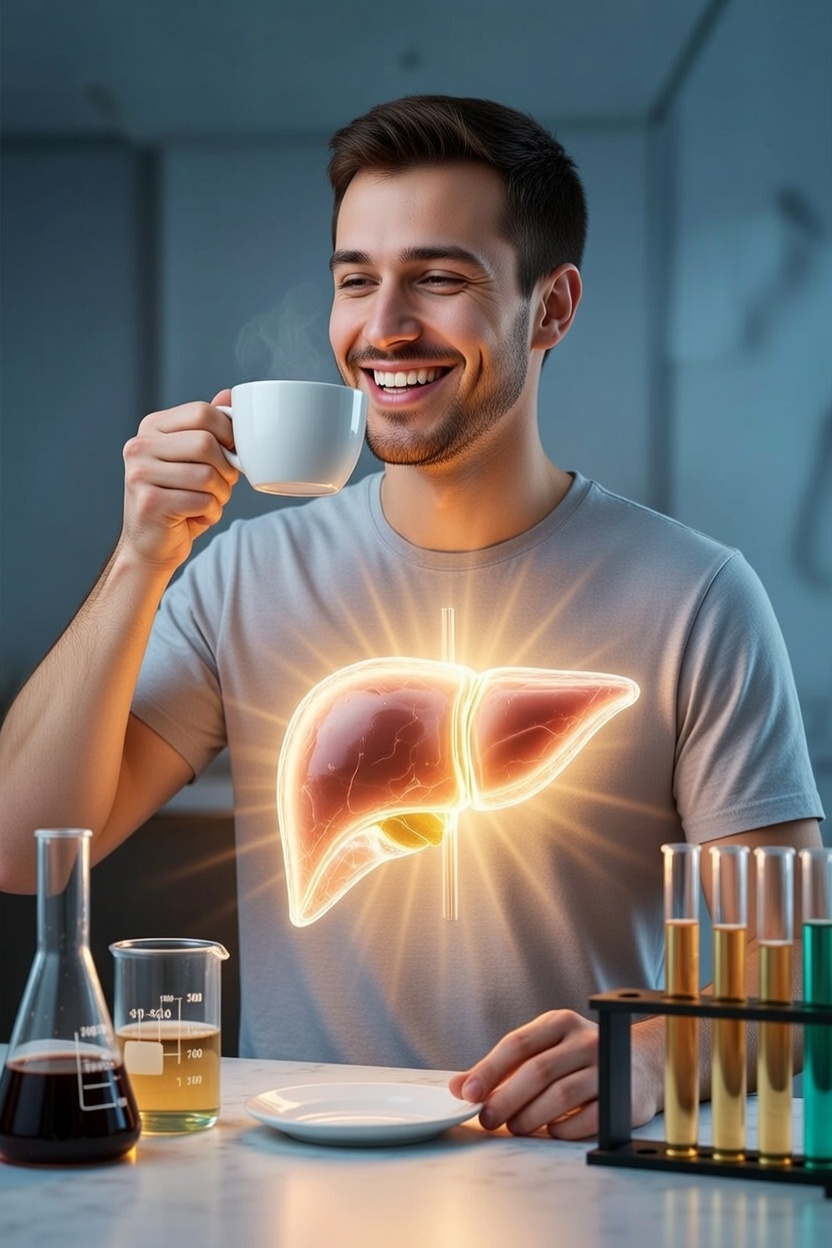
Coffee, one of the world’s most consumed beverages, has long been associated with various health benefits, particularly for liver health. Emerging research suggests that regular coffee consumption may play a role in protecting the liver by activating DNA repair mechanisms, reducing oxidative stress, and mitigating damage that could lead to conditions like fibrosis, cirrhosis, and hepatocellular carcinoma. Key bioactive compounds in coffee, such as the diterpenes kahweol and cafestol, caffeine, and polyphenols like chlorogenic acid, contribute to these effects. This report synthesizes findings from animal, in vitro, and human studies, highlighting how coffee influences DNA repair proteins in the liver, with a focus on O⁶-methylguanine-DNA methyltransferase (MGMT) and broader protective pathways.
While some studies demonstrate clear activation of repair proteins, others show mixed or negligible effects, underscoring the need for more human-specific research. Factors like coffee type (e.g., filtered vs. unfiltered), preparation method, and dosage also influence outcomes.
Mechanisms of Action
Coffee’s protective effects on the liver involve multiple pathways, including antioxidant activity, modulation of inflammation, and direct enhancement of DNA repair. Coffee is rich in antioxidants that scavenge reactive oxygen species (ROS), reducing oxidative DNA damage marked by levels of 8-hydroxydeoxyguanosine (8-OH-dG). It activates the Nrf2/Keap1 pathway, upregulating enzymes such as superoxide dismutase (SOD), catalase (CAT), and glutathione peroxidase (GPx), which combat oxidative stress.
Specific to DNA repair, kahweol and cafestol stimulate MGMT, a protein that removes alkyl groups from guanine bases, preventing mutations from carcinogens like N-nitrosodimethylamine (NDMA) and 2-amino-1-methyl-6-phenylimidazo[4,5-b]pyridine (PhIP). These diterpenes also inhibit carcinogen-activating enzymes (e.g., CYP450s) and induce phase II detoxifying enzymes like glutathione-S-transferase (GST) and UDP-glucuronosyltransferase (UGT), enhancing overall genomic stability. Caffeine may modulate signaling pathways like cAMP and PKA, while polyphenols inhibit NF-κB and MAPK, reducing inflammation that could exacerbate DNA damage. Additionally, coffee induces antioxidant responsive element (ARE)-regulated signaling and gamma-glutamyl cysteine synthetase (GCS), further supporting liver protection.
In vitro evidence shows coffee protecting against aflatoxin-induced DNA adducts in human liver cells, with kahweol and cafestol playing key roles. However, caffeine can inhibit general DNA repair processes like ataxia telangiectasia mutated (ATM) activity in non-liver cells, suggesting context-dependent effects.
Evidence from Animal Studies
Animal models provide the strongest direct evidence for coffee’s activation of liver DNA repair proteins. In male Fischer rats, a diet containing kahweol and cafestol (in a 52.5:47.5 mixture) led to a dose-dependent increase in hepatic MGMT levels after 10 days. Similarly, providing “Turkish” (unfiltered) coffee as drinking water for 10 days significantly boosted MGMT activity in rat livers. These diterpenes also increased GST and UGT activities, with GSTA3 rising up to 2.6-fold and UGT up to 2-fold in rats fed a coffee-containing diet.
Coffee reduced hepatic 8-OH-dG and other oxidative markers in rats on high-fat diets, and protected against DNA adducts induced by aflatoxin B1 and PhIP. In Wistar rats, freeze-dried coffee (equivalent to 9–20 human cups/day) increased urinary 8-OH-dG in a dose-dependent manner, but this may indicate enhanced repair rather than damage.
Contrasting results come from mouse studies. In male ICR mice given 0.1% instant coffee for 35 weeks, no changes were observed in hepatic 8-OH-dG levels, repair-associated gene expression (e.g., for 8-OH-dG repair), SOD activity, or lipid peroxidation (LPO). Even under oxidative stress from a low-vitamin diet, coffee showed no significant differences compared to water. This suggests instant coffee may have minimal impact on liver cancer risk from oxidative stress in mice.
Coffee also induced autophagy in mouse livers, independent of caffeine, by inhibiting mTORC1, which could indirectly support DNA repair through cellular cleanup.
Evidence from Human Studies
Human evidence is largely indirect, focusing on reduced DNA damage markers rather than direct measurement of liver DNA repair proteins. No direct human data on coffee’s effects on liver DNA damage or repair were identified in comprehensive reviews.
In patients with chronic hepatitis C, consuming 4 cups of coffee daily reduced serum 8-OH-dG levels compared to non-drinkers, indicating lower oxidative DNA damage. Coffee consumption is linked to lower liver enzyme levels, reduced structural damage, and decreased mortality from liver diseases. Epidemiological studies show regular intake slows progression to fibrosis and carcinoma.
Protective effects on DNA damage have been observed in peripheral lymphocytes from coffee drinkers, with reduced damage after exposure to genotoxins. Coffee enriched with chlorogenic acids decreased DNA damage in lymphocytes, but this is not liver-specific. Overall, while human studies suggest coffee enhances DNA integrity, direct liver repair protein activation remains unconfirmed.
Conclusions
The evidence indicates that coffee, particularly through compounds like kahweol and cafestol, can activate DNA repair proteins such as MGMT in the liver, offering protection against oxidative and carcinogenic damage. Animal studies provide mechanistic insights, showing upregulation of repair and detox enzymes, while human data supports reduced DNA damage markers and better liver outcomes. However, some studies, especially on instant coffee in mice, report no significant effects, highlighting variability based on coffee type and model.
More randomized human trials are needed to directly assess liver DNA repair proteins. Until then, moderate coffee consumption (3–4 cups/day) appears beneficial for liver health, with unfiltered varieties potentially offering stronger diterpene-related protection.

REPORT | Your Morning Cup Just Got Superpowers?
Your Morning Cup Just Got Superpowers: Landmark 43-Year Study Shows 2–3 Cups of Coffee a Day Slashes Dementia Risk A…



Leave a Reply