

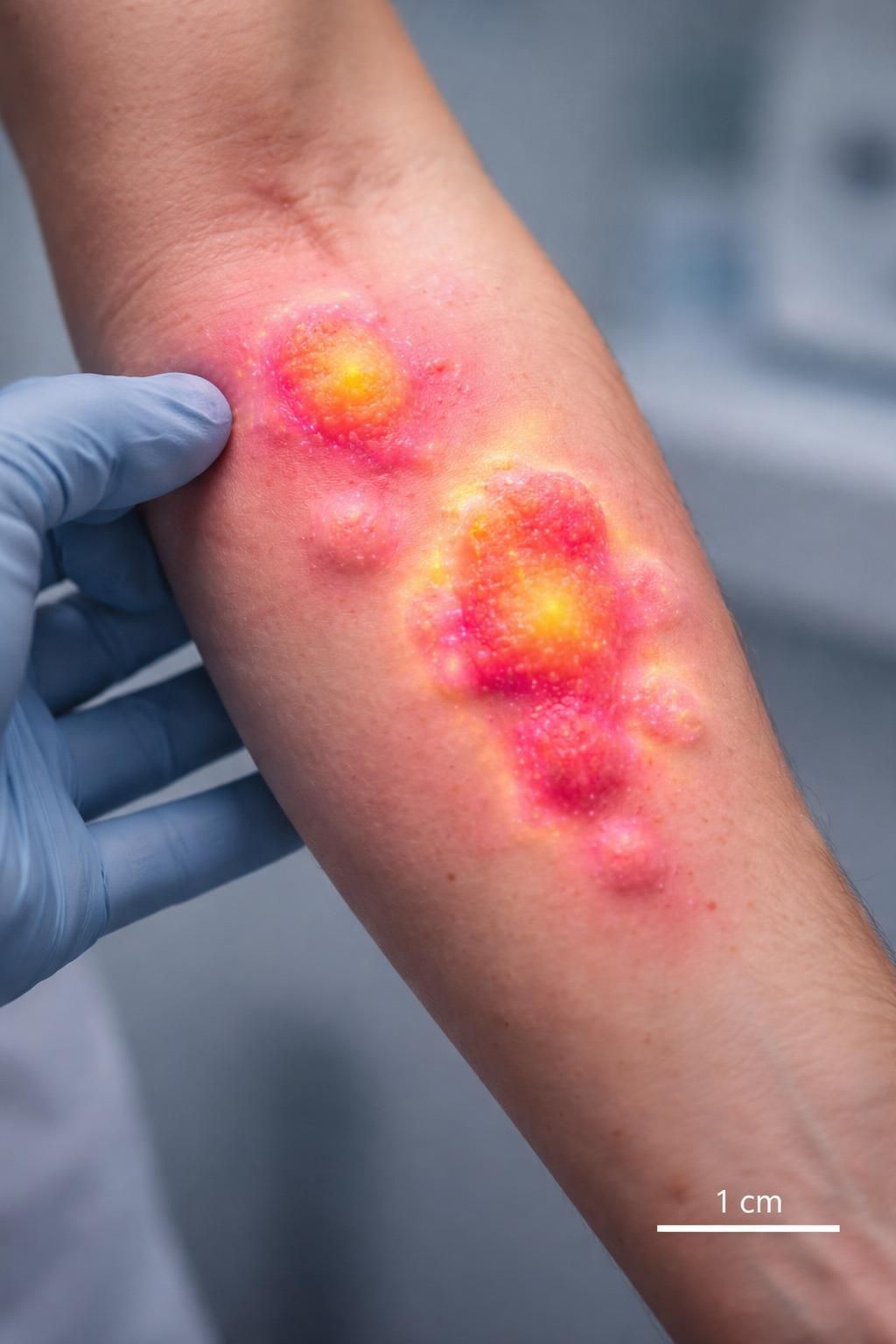



Histamine Overload: The Hidden Neuroinflammatory Link Mimicking and Exacerbating ADHD Symptoms
Elevated histamine levels—whether from impaired breakdown (e.g., diamine oxidase or DAO deficiency), mast cell overactivation, or allergic responses—have been increasingly linked in recent research to neurological and psychological symptoms that closely overlap with those of attention-deficit/hyperactivity disorder (ADHD). These include inattention, hyperactivity, restlessness, irritability, brain fog, anxiety, mood instability, and sleep disturbances. While ADHD is primarily viewed as a neurodevelopmental disorder involving dopamine and norepinephrine dysregulation, emerging evidence suggests histamine acts as a key neurotransmitter and inflammatory mediator that can disrupt these systems, contribute to neuroinflammation, and amplify or mimic core ADHD traits. This connection is particularly relevant in individuals with comorbid allergies, histamine intolerance, or mast cell activation syndrome (MCAS).
Histamine’s Dual Role: Allergy Mediator and Brain Neurotransmitter
Histamine is best known for its role in allergic reactions, but it also functions as a neurotransmitter produced by histaminergic neurons in the tuberomammillary nucleus of the hypothalamus. It projects widely across the brain, modulating arousal, cognition, attention, and motivation via four receptor types (H1–H4). In the central nervous system, histamine influences dopamine, norepinephrine, acetylcholine, and GABA signaling—neurotransmitters central to ADHD pathophysiology. Elevated or poorly regulated histamine can promote wakefulness (disrupting sleep), heighten sensory sensitivity, and trigger neuroinflammation through mast cell degranulation and microglial activation. When histamine accumulates due to reduced activity of degrading enzymes like DAO (primarily in the gut and periphery) or HNMT (in the brain), or from chronic mast cell activation, it crosses into systemic and neurological effects. This “histamine intolerance” or overload produces symptoms such as brain fog, poor concentration, irritability, restlessness, anxiety, and hyperactivity—directly paralleling ADHD presentations.
Historical and Mechanistic Foundations: Speer’s Allergic Tension-Fatigue Syndrome
In the 1950s, pediatric allergist Frederic Speer described “Allergic Tension-Fatigue Syndrome” (SATFS), characterized by allergy-like symptoms (rhinitis, eczema, headaches) alongside behavioral features: hyperkinesis (fidgetiness, poor coordination), hyperesthesia (insomnia, irritability, distractibility, short attention span), restlessness, aggressive irritability, and fatigue interfering with learning. These mirror modern ADHD criteria (inattention, hyperactivity, impulsivity) plus common comorbidities. A 2023 conceptual review by Blasco-Fontecilla revisits SATFS as an early description of ADHD with allergic comorbidity, proposing that histamine—via neuroinflammation and DAO deficiency—bridges the two. The review hypothesizes ADHD as a systemic disorder where somatic (allergic/inflammatory) and behavioral symptoms interact bidirectionally. Supporting mechanisms include:
- DAO/HNMT deficiencies: Genetic variants or reduced enzyme activity lead to histamine buildup. A pilot study referenced in the review found ~80% of ADHD children/adolescents had DAO genetic deficits.
- Mast cell-mediated neuroinflammation: Mast cells in the brain release histamine and cytokines (e.g., IL-6, TNF-α), activating microglia, disrupting the blood-brain barrier, and altering neuronal circuits linked to ADHD. A 2020 review hypothesizes this as a key contributor to ADHD pathogenesis, given high comorbidity with atopic and autoimmune conditions.
- Neurotransmitter crosstalk: Histamine modulates dopamine release; excess can dysregulate motivation, focus, and impulse control. ADHD medications (methylphenidate, atomoxetine) increase prefrontal histamine levels, potentially contributing to their therapeutic effects beyond catecholamines.
Key Studies and Epidemiological Evidence
Multiple lines of research support the overlap:
- Allergy comorbidity: A 2018 study of 216 ADHD children vs. matched controls found significantly higher rates of allergic rhinitis (OR 2.08) and eczema (OR 1.72), elevated IgE, and eosinophils in ADHD, though plasma histamine levels did not differ overall. Risk increased dose-dependently with multiple risk factors (allergies, low hemoglobin, low serotonin).
- Urinary histamine and symptoms: A 2024 secondary analysis from the MADDY study (children with ADHD symptoms and emotional dysregulation) found no overall association between urinary histamine and inattention, hyperactivity/impulsivity, or emotional dysregulation. However, a sensitivity analysis indicated children with histamine above age-specific reference ranges had modestly higher inattention scores. Over half the sample showed elevated levels, suggesting a subgroup effect warranting further investigation.
- MCAS and neuropsychiatric overlap: MCAS involves inappropriate mast cell activation and histamine release. A 2025 study of 553 MCAS patients vs. 558 controls reported ADHD prevalence of 20.5% in MCAS (vs. 6.7% controls; OR ~3.0), alongside high rates of anxiety, depression, cognitive dysfunction, and other symptoms. A 2023 case series noted improvement in neuropsychiatric symptoms (including ADHD-like features) with mast cell-targeted therapies (antihistamines, stabilizers).
- Antihistamine exposure and genetics: Retrospective studies link early H1-antihistamine use to increased ADHD risk (possibly confounding by indication). HNMT gene polymorphisms moderate ADHD symptom response to food additives, implicating histamine pathways.
Symptom Overlap and Clinical Implications
Common overlapping symptoms include:
- Cognitive: Brain fog, poor concentration, distractibility.
- Behavioral: Hyperactivity/restlessness, impulsivity, irritability.
- Emotional: Anxiety, mood swings, emotional dysregulation.
- Other: Sleep disruption, headaches, sensory sensitivities—often worsened by high-histamine foods or allergens.
In practice, some individuals with treatment-resistant ADHD or “ADHD + allergies/MCAS” report symptom relief from low-histamine diets, DAO supplements, or mast cell stabilizers—though these are adjunctive and not first-line. H3 receptor modulators have been trialed for ADHD with mixed results.
Limitations and Future Directions
Evidence is largely associative, hypothetical, or from small/subgroup analyses. Direct causation is unproven; many studies are cross-sectional or animal-based. Confounders (e.g., shared genetics, inflammation from other sources) exist. Larger longitudinal trials measuring brain histamine/DAO, testing histamine-lowering interventions, and exploring personalized approaches (e.g., in atopic or MCAS subgroups) are needed. The MADDY findings underscore that not all ADHD cases involve histamine, highlighting heterogeneity.
Elevated histamine and related neuroinflammatory pathways offer a compelling explanation for why allergies, MCAS, and histamine intolerance frequently co-occur with ADHD-like symptoms. This does not replace conventional ADHD models but complements them, suggesting a subset of patients may benefit from addressing histamine dysregulation alongside standard care. Individuals experiencing overlapping symptoms should consult specialists for targeted testing (e.g., DAO activity, MCAS evaluation) and integrated management. As research evolves, histamine may emerge as a modifiable target in precision approaches to ADHD and related neurodevelopmental challenges.
References
- Blasco-Fontecilla H. Is Histamine and Not Acetylcholine the Missing Link between ADHD and Allergies? The Speer Allergic Tension Fatigue Syndrome Re-Visited. J Clin Med. 2023;12(16):5350. doi:10.3390/jcm12165350.
- Bruton AM, et al. Urinary Histamine Not Associated with Severity of Symptoms of ADHD and Emotional Dysregulation: A Cross-sectional Secondary Data Analysis from the MADDY Study. Adv Neurodev Disord. 2024/2025.
- Dr. Brighten. Histamine and ADHD: The Hidden Connection. 2025.
- Song Y, et al. Mast cell-mediated neuroinflammation may have a role in attention deficit hyperactivity disorder (Review). Exp Ther Med. 2020.
- Wang LJ, et al. Attention deficit–hyperactivity disorder is associated with allergic symptoms and low levels of hemoglobin and serotonin. Sci Rep. 2018;8:10815.
- Weinstock LB, et al. Prevalence and treatment response of neuropsychiatric disorders in mast cell activation syndrome. Brain Behav Immun Health. 2025;48:101048.
- Weinstock LB, et al. Neuropsychiatric Manifestations of Mast Cell Activation Syndrome and Response to Mast-Cell-Directed Treatment: A Case Series. J Pers Med. 2023.
- Additional supporting reviews on histamine in psychiatric/neurodevelopmental disorders (e.g., Frontiers in Neuroscience, 2021).
This report synthesizes peer-reviewed and clinical evidence as of 2026; always seek personalized medical advice.
Leave a Reply