

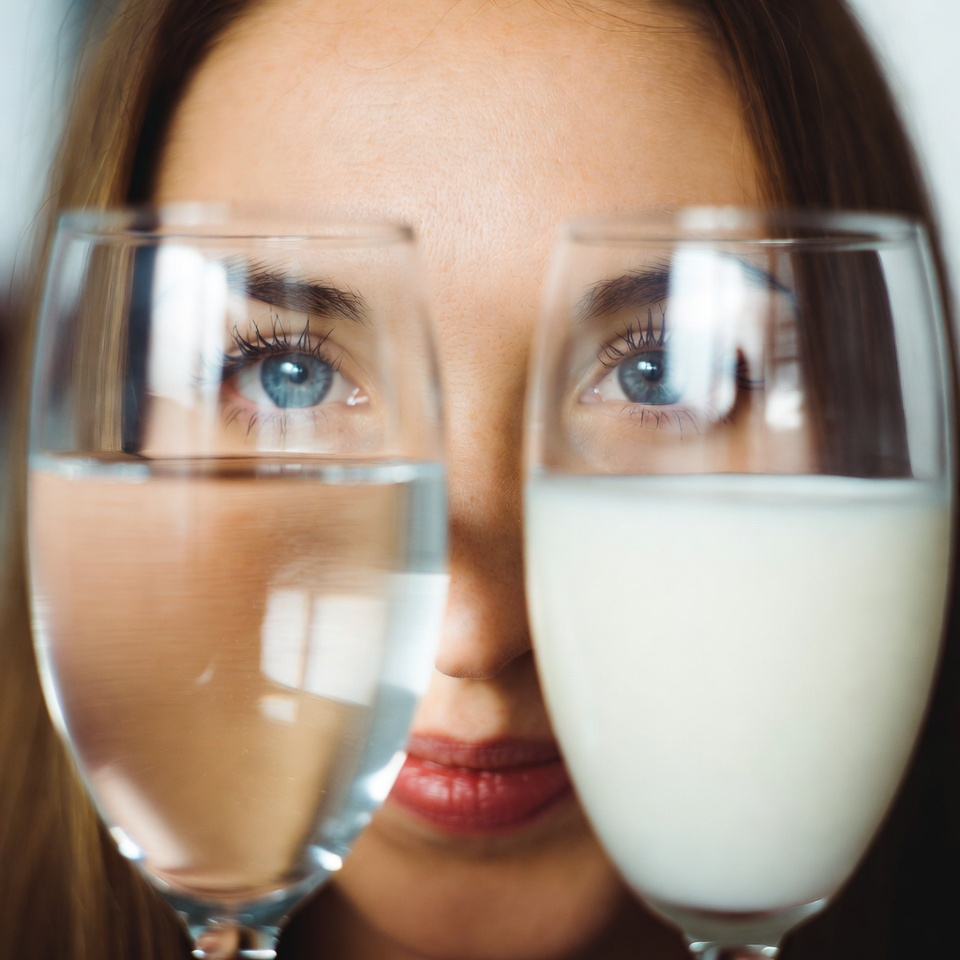


Water Not the best Hydrator? Why Milk Might Trump Water in the Hydration Game
In the realm of hydration, conventional wisdom has long championed plain water as the ultimate quencher. However, scientific research challenges this notion, revealing that certain beverages, particularly milk, may provide superior hydration due to their nutrient composition. This report delves into the foundational 2016 study that introduced the Beverage Hydration Index (BHI), explores its key findings, reviews subsequent research and media coverage up to early 2026, and discusses practical implications for daily life, exercise, and health. While water remains essential and efficient for quick hydration, drinks like milk and oral rehydration solutions (ORS) excel in fluid retention, offering longer-lasting benefits.
Rethinking Hydration
Hydration is critical for bodily functions, from regulating temperature to supporting cellular processes. The human body is about 60% water, and even mild dehydration can impair cognitive and physical performance. Traditionally, health guidelines emphasize drinking eight glasses of water daily, but emerging evidence suggests that not all fluids hydrate equally. A pivotal study from the University of St. Andrews in Scotland, published in 2016, developed the BHI to quantify how well different drinks maintain fluid balance over time. This index measures urine output relative to water after consuming one liter of a beverage, with higher scores indicating better retention. Recent media buzz in 2025 and 2026 has revived interest in these findings, often amid heat waves, fitness trends, and wellness discussions. Articles from outlets like Vogue, Verywell Health, and ZME Science highlight milk’s edge over water, prompting questions about optimal hydration strategies. Social media platforms, including X (formerly Twitter), echo this, with users debating milk’s superiority and sharing personal anecdotes.
The Science of the Beverage Hydration Index
The 2016 randomized trial involved 72 healthy, euhydrated (normally hydrated) men who consumed 13 common beverages, including still water, sparkling water, full-fat milk, skim milk, cola, coffee, tea, orange juice, lager, sports drinks, and ORS. Urine output was monitored over four hours to assess fluid retention. The BHI was calculated by comparing each drink’s urine volume to that of still water (set at 1.0). Key factors influencing hydration include:
- Electrolytes (e.g., sodium, potassium): These help retain fluid by balancing osmotic pressure.
- Macronutrients (e.g., protein, fat, sugar): They slow gastric emptying, allowing gradual absorption and reducing rapid kidney clearance.
- Caloric content: Higher-energy drinks delay diuresis (urine production).
Plain water hydrates quickly but is excreted faster, leading to lower retention.
Key Findings from the Landmark Study
The results showed significant variations in hydration efficacy:
| Beverage | BHI Score (at 2 hours) | Notes |
|---|---|---|
| Skim Milk | 1.58 ± 0.60 | Highest retention due to lactose, protein, and electrolytes; outperformed water significantly. |
| Full-Fat Milk | 1.50 ± 0.58 | Similar to skim milk; fat content aids slower absorption. |
| Oral Rehydration Solution (ORS) | 1.54 ± 0.74 | Designed for dehydration recovery; high sodium content boosts retention. |
| Orange Juice | ~1.39 | Better than water due to natural sugars and potassium. |
| Still Water | 1.0 (baseline) | Quick hydration but rapid clearance. |
| Sports Drinks, Cola, Coffee, Tea | ~1.0 | Comparable to water; caffeine doesn’t significantly dehydrate in moderate amounts. |
Urine output after milk was notably lower (e.g., 1049g for skim milk vs. 1337g for water), indicating better fluid balance. Even after adjusting for water content in milk, its BHI remained superior.
Recent Developments and Related Research (2020-2026)
While no groundbreaking new studies in 2025-2026 directly supersede the 2016 findings, related research builds on the BHI concept:
- A 2020 study on milk permeate (a protein-free, electrolyte-rich byproduct) found it superior to water and carbohydrate-electrolyte solutions (CES) for sustained hydration.
- 2021 research emphasized electrolytes, carbohydrates, and proteins’ roles in enhancing BHI, supporting milk’s advantages.
- A 2022 review proposed milk permeate as a sports drink alternative, noting its high BHI without gastrointestinal issues from full milk.
- In 2025, studies linked better hydration to improved sleep, reinforcing BHI’s relevance beyond exercise.
Media in 2025-2026 amplified the original study, with headlines like “Milk Hydrates Better Than Water” from Got Milk? and CBS News. X discussions in 2025-2026 debated this, with some users correcting misconceptions about water’s role. Trends in electrolyte drinks surged, with market growth projected to $48.21 billion by 2030.
Implications for Health and Lifestyle
- Daily Hydration: For routine needs, water is ideal—calorie-free and accessible. However, in hot climates or for prolonged activities, milk or ORS may prevent dehydration better.
- Exercise and Recovery: Athletes benefit from milk post-workout for rehydration and muscle repair.
- Special Populations: Elderly or those with medical conditions may prefer nutrient-rich drinks to combat fluid loss.
- Caveats: Milk’s calories (about 150 per cup) and potential lactose intolerance limit its universality. Overhydration with any drink risks electrolyte imbalance.
Listen to thirst cues rather than rigid rules; combine beverages with hydrating foods like fruits.
idea that water isn’t always the most hydrating challenges long-held beliefs but is backed by robust science. Milk’s nutrient profile makes it a hydration powerhouse for sustained needs, as evidenced by the BHI and ongoing research. As hydration trends evolve with electrolyte innovations in 2026, consumers should prioritize balance over hype. Ultimately, the best drink depends on context—water for simplicity, milk for endurance.
Leave a Reply