




Introduction
Vitamin D is an essential nutrient that plays a crucial role in maintaining bone health, supporting immune function, and regulating calcium levels in the body. While sunlight exposure is a primary source of vitamin D for many people, dietary sources are also important, especially for those with limited sun exposure. Mushrooms are unique among plant foods in their ability to produce vitamin D when exposed to ultraviolet (UV) light. This report explores the relationship between mushrooms and vitamin D, highlights the best types of mushrooms for vitamin D content, and provides practical tips for increasing vitamin D levels at home.
Vitamin D in Mushrooms
Mushrooms contain a form of vitamin D known as ergocalciferol (vitamin D2). Unlike most plant foods, mushrooms can synthesize vitamin D when exposed to UV light, making them a valuable dietary source of this nutrient. Research indicates that UV-exposed mushrooms can contain significant amounts of vitamin D2, comparable to or exceeding those found in fortified foods (Maund et al., 2018).
Types of Mushrooms
- Shiitake (Lentinula edodes): Shiitake mushrooms are known for their rich flavor and are commonly used in Asian cuisine. When exposed to UV light, they can produce substantial amounts of vitamin D2 (Huang et al., 2016).
- Maitake (Grifola frondosa): Maitake mushrooms are another excellent source of vitamin D when exposed to UV light. They have been shown to contain high levels of vitamin D2, making them a popular choice for supplementation (Maund et al., 2018).
- Portobello (Agaricus bisporus): Portobello mushrooms, particularly when exposed to UV light, can also provide a good source of vitamin D2. They are widely available and versatile in cooking (Huang et al., 2016).
- Chanterelles (Cantharellus cibarius): Chanterelles are wild mushrooms that can also contain significant amounts of vitamin D, especially when harvested in sunlight (Maund et al., 2018).
How to Increase Vitamin D in Mushrooms at Home
To maximize the vitamin D content of mushrooms at home, consider the following methods:
1. UV Exposure
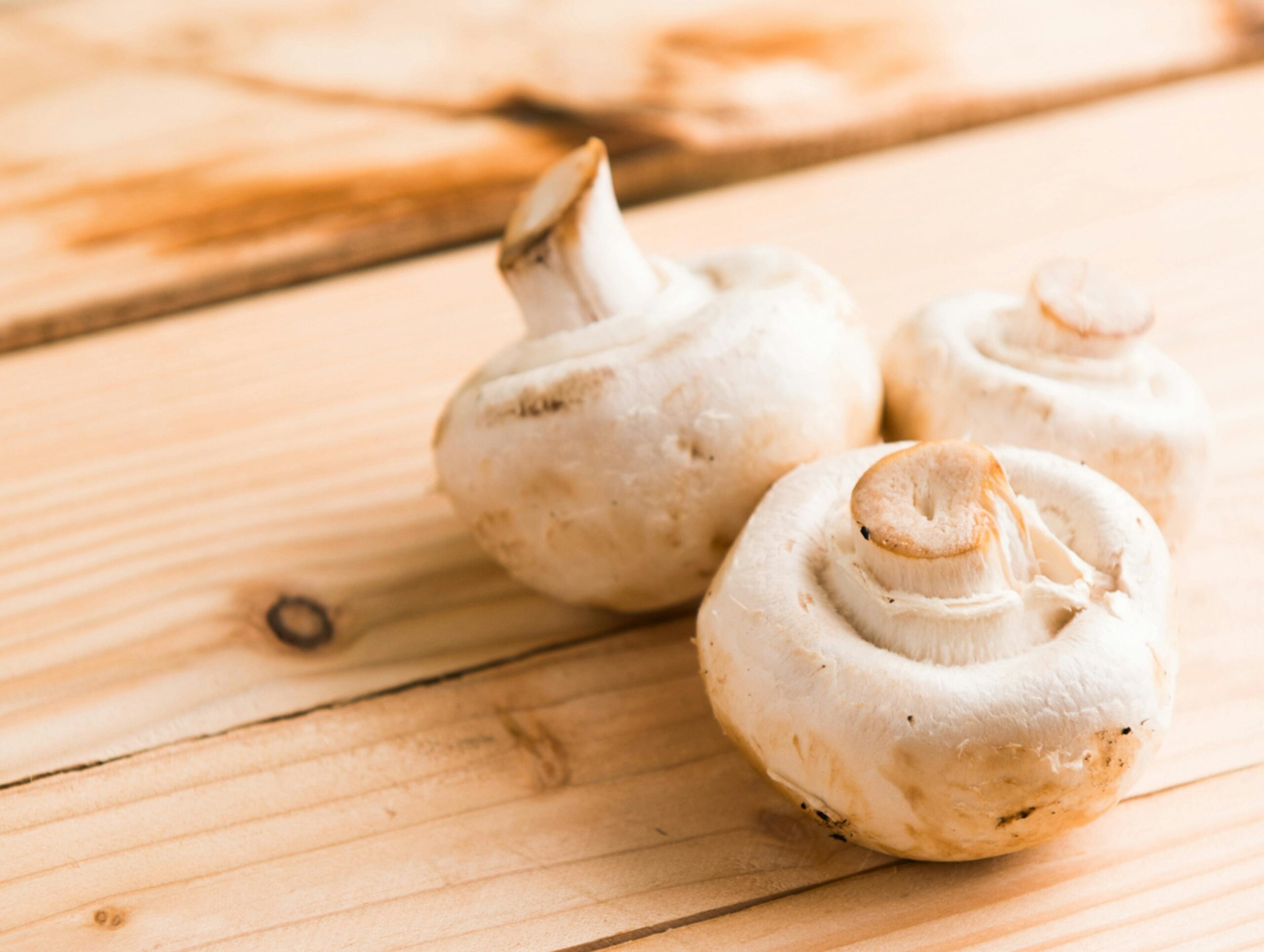
- Sunlight: Place fresh, cleaned mushrooms gill-side up in direct sunlight for about 30 minutes to 2 hours. This exposure can significantly increase their vitamin D2 content. The amount of time needed may vary based on the intensity of sunlight.
- UV Light: If sunlight exposure is not feasible, consider using a UV lamp designed for plants. Position the mushrooms under the lamp for a similar duration to achieve increased vitamin D levels.
2. Cooking Methods
- Sautéing or Grilling: Cooking mushrooms can enhance their flavor and make them more palatable. While cooking does not significantly affect vitamin D levels, it can help incorporate them into meals.
- Incorporation into Dishes: Add UV-exposed mushrooms to soups, stir-fries, salads, and other dishes to boost your vitamin D intake.
Conclusion
Mushrooms are a unique and valuable source of vitamin D, particularly when exposed to UV light. Shiitake, maitake, portobello, and chanterelles are among the best types for increasing vitamin D levels. By utilizing simple methods to expose mushrooms to UV light at home, individuals can enhance their dietary intake of this essential nutrient.
References
- Huang, Y., et al. (2016). “Vitamin D2 production in mushrooms: A review.” Journal of Nutritional Science, 5, e24. doi:10.1017/jns.2016.22
- Maund, S. J., et al. (2018). “The potential of mushrooms as a source of vitamin D.” Mycological Progress, 17(1), 1-10. doi:10.1007/s11557-017-1340-0
This report provides an overview of the relationship between mushrooms and vitamin D, along with practical tips for increasing vitamin D levels at home. By incorporating UV-exposed mushrooms into your diet, you can enhance your vitamin D intake effectively.




Leave a Reply