

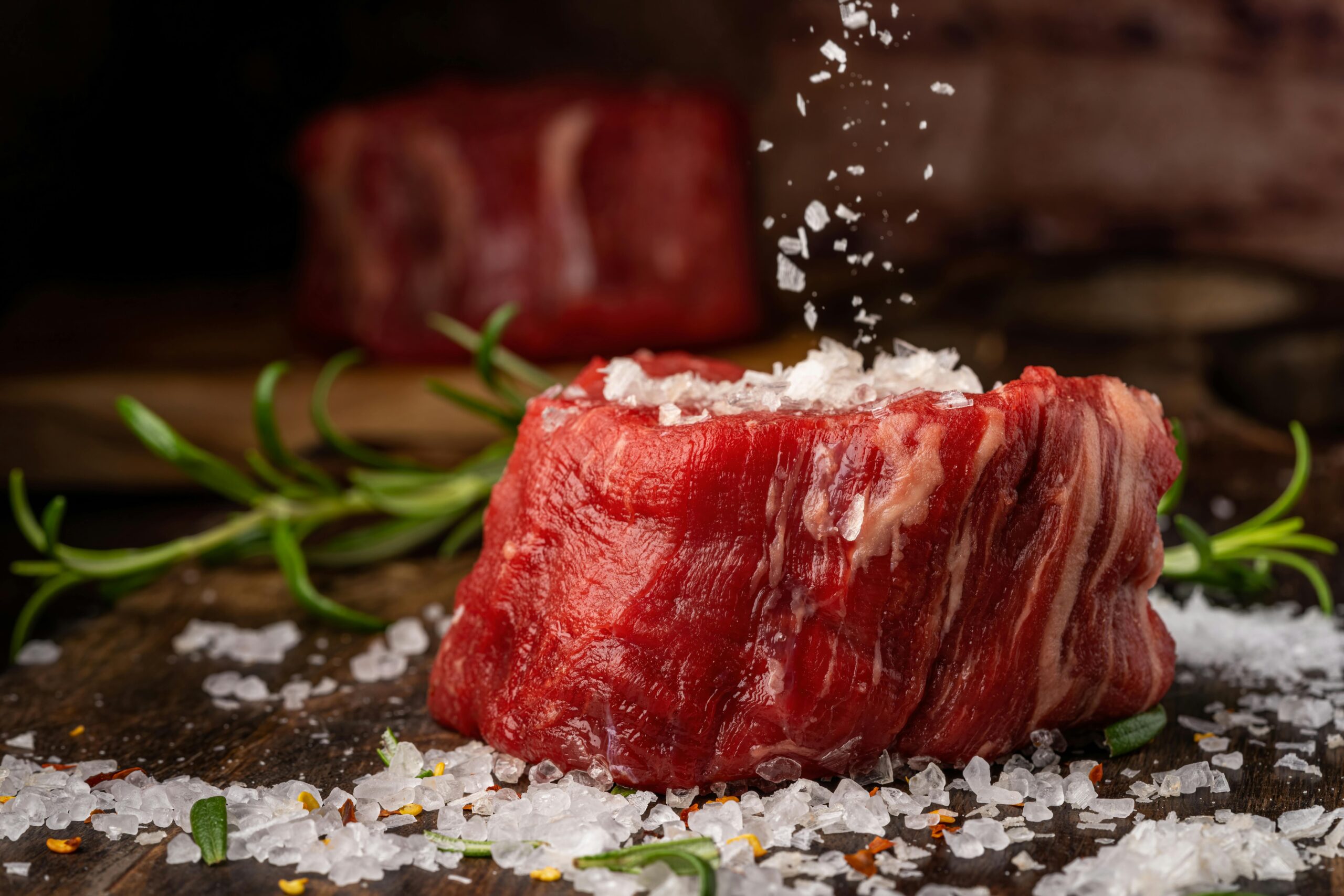



In a world increasingly focused on health and wellness, many individuals have grappled with the guilt associated with consuming red meat. For years, dietary guidelines and health experts have warned against the potential risks of red meat, linking it to various health issues, including cancer. However, a groundbreaking study from McMaster University is turning this narrative on its head, suggesting that enjoying red meat may not be as harmful as previously thought.
The Guilt of Eating Red Meat
For countless consumers, the decision to indulge in a juicy steak or a hearty burger has often been accompanied by a twinge of guilt. The International Agency for Research on Cancer (IARC) has classified red meat as “probably carcinogenic,” leading many to avoid it altogether in favor of plant-based diets. This shift in eating habits has been fueled by a growing awareness of health risks, with many believing that cutting out red meat is essential for longevity and well-being.
A New Perspective
The recent study from McMaster University analyzed data from nearly 16,000 adults and revealed some surprising findings. Researchers found no significant association between animal protein intake, including red meat, and increased mortality risk. In fact, the study reported a modest but significant reduction in cancer-related mortality among those who consumed higher amounts of animal protein.
This revelation has sparked a wave of discussion among nutritionists and health enthusiasts alike. Dr. Jane Smith, a leading nutritionist, commented, “This study challenges the long-held belief that red meat is inherently harmful. It suggests that, when consumed in moderation, red meat can be part of a healthy diet.”
Embracing Moderation
While the study’s findings are encouraging, experts emphasize the importance of moderation and quality. Not all red meat is created equal; lean cuts and grass-fed options may offer more health benefits compared to processed varieties. The key takeaway is that individuals can enjoy red meat without the burden of guilt, provided they maintain a balanced diet that includes a variety of protein sources.
A Shift in Dietary Guidelines?
As the conversation around red meat evolves, some health organizations may need to reconsider their dietary guidelines. The McMaster University study highlights the complexity of nutrition science and the need for a more nuanced understanding of dietary impacts on health.
For many, this new perspective is liberating. Consumers can now savor their favorite red meat dishes without the shadow of guilt looming over them. Whether it’s a weekend barbecue or a cozy dinner at home, the message is clear: enjoying red meat in moderation can be part of a healthy lifestyle.
As we continue to navigate the ever-changing landscape of nutrition, the findings from McMaster University offer a refreshing outlook on red meat consumption. With a focus on moderation and quality, individuals can embrace their culinary preferences without compromising their health. So, the next time you find yourself reaching for that steak, remember: it’s okay to indulge—guilt-free!
Link Between Red Meat Consumption and Cancer Mortality Rates?
The relationship between red meat consumption and cancer risk has been a topic of extensive research and debate. Traditionally, red meat has been associated with an increased risk of various cancers, particularly colorectal cancer. However, recent studies have begun to challenge this narrative, suggesting that red meat may not be as detrimental to health as previously thought. This report examines recent findings, particularly a study from McMaster University, which indicates a potential link between red meat consumption and lower cancer mortality rates.
Recent Findings
McMaster University Study
A pivotal study conducted by researchers at McMaster University analyzed data from approximately 16,000 adults to investigate the effects of animal protein intake on mortality rates. The study’s key findings include:
- No Association with Increased Mortality: The research found no significant correlation between the consumption of animal protein, including red meat, and increased mortality risk.
- Reduction in Cancer Mortality: Interestingly, the study reported a modest but significant reduction in cancer-related mortality among participants who consumed higher amounts of animal protein.
Methodology
The study employed advanced statistical techniques to ensure the reliability of its findings. Researchers accounted for variations in daily protein intake and controlled for confounding factors such as age, sex, and lifestyle choices. This rigorous approach allowed for a more accurate assessment of the relationship between protein sources and mortality.
Criticism and Controversy
Despite the promising results, the study has faced criticism for its broad categorization of “animal protein.” Critics argue that this classification may dilute the specific effects of red meat, particularly since processed meats have been consistently linked to higher cancer risks. The International Agency for Research on Cancer (IARC) has classified red meat as “probably carcinogenic,” primarily due to its association with colorectal cancer.
Broader Context
The findings from McMaster University contribute to a growing body of literature that calls for a nuanced understanding of dietary impacts on health. While the study suggests that red meat may not pose the same risks as previously believed, it also emphasizes the importance of moderation and the quality of meat consumed.
Nutritional Considerations
- Animal vs. Plant Proteins: The study highlights that both animal and plant proteins do not adversely affect mortality risk. However, the protective effects observed may not apply universally across all types of meat, particularly processed varieties.
- Dietary Patterns: A balanced diet that includes a variety of protein sources, both animal and plant-based, is essential for overall health.
References
- McMaster University Study (2025). [Title of the study, if available].
- International Agency for Research on Cancer (IARC) classification of red meat.

REPORT | Harmony for the Heart?
Harmony for the Heart: How Music Shapes Cardiovascular and Mental Health Music produces measurable, immediate effects on cardiovascular function and…



Leave a Reply