

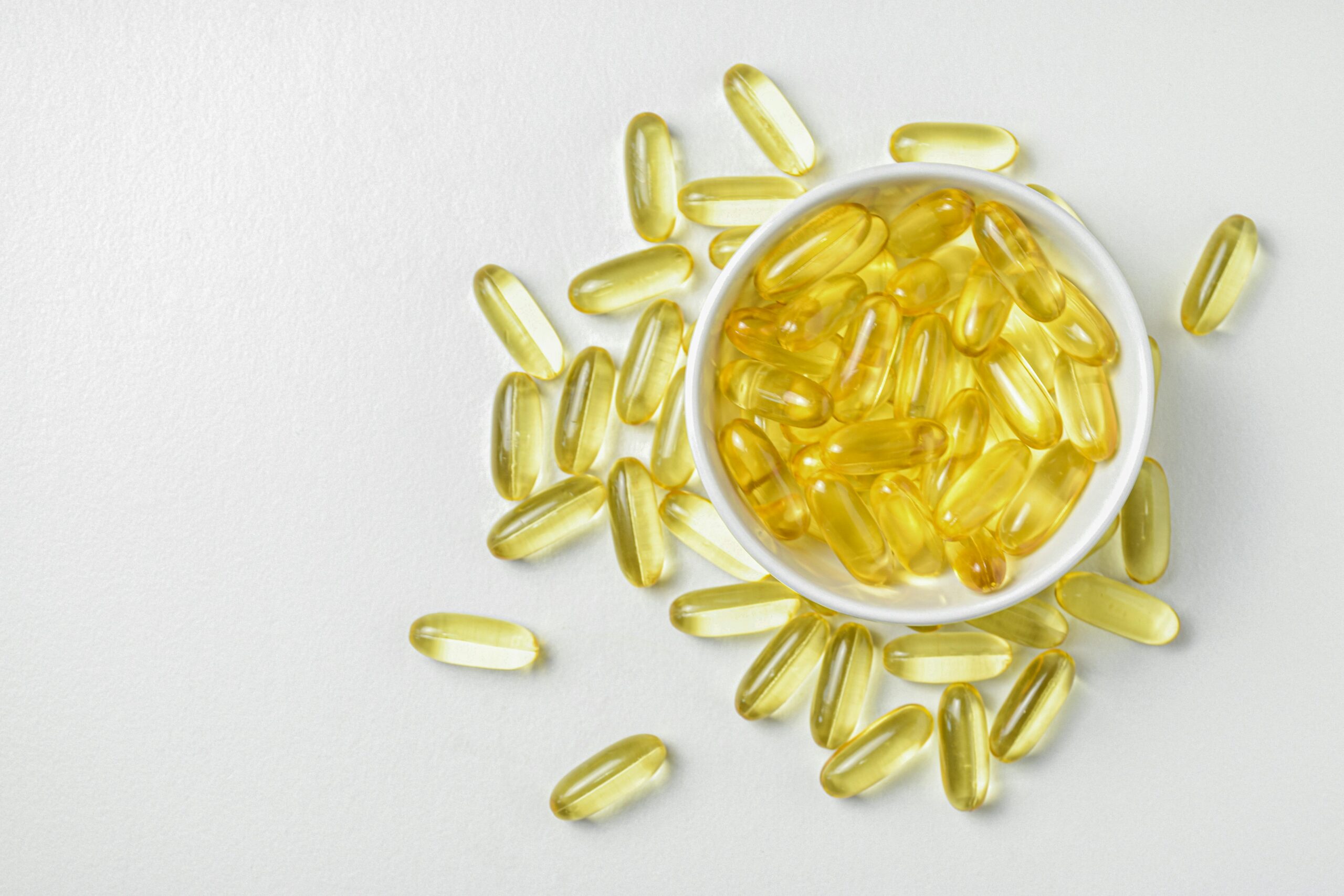



Vitamin K2, a lesser-known but increasingly vital nutrient, has been the focus of groundbreaking research in recent years. Often overshadowed by its counterpart vitamin K1, K2 (primarily in forms like menaquinone-7 or MK-7) plays a crucial role in directing calcium to bones and away from arteries, while also influencing inflammation, metabolism, and brain health. As of early 2026, studies from 2024 to 2025 highlight its potential in preventing osteoporosis, reducing cardiovascular risks, combating cognitive decline, and even addressing metabolic disorders like diabetes and fatty liver disease. This report synthesizes key findings from peer-reviewed publications and clinical trials, emphasizing evidence-based benefits and ongoing research gaps. With a growing market projected to reach USD 602 million by 2030 due to rising awareness, vitamin K2 supplementation is emerging as a preventive powerhouse.
Vitamin K2 is a fat-soluble vitamin produced by bacteria in the gut and found in fermented foods like natto, cheese, and certain meats. Unlike vitamin K1 (phylloquinone), which primarily aids blood clotting, K2 activates proteins such as osteocalcin for bone mineralization and matrix Gla protein (MGP) to inhibit arterial calcification. Recent research underscores its broader implications, with studies linking deficiencies to chronic conditions. Bacterial production of K2 in the human microbiome has been explored, revealing how gut-associated species contribute to its bioavailability and health benefits. Deficiencies are common in Western diets, prompting supplementation as a targeted intervention.
Recent Advances in Bone Health
Osteoporosis and bone fragility remain global health burdens, particularly among aging populations. A 2025 study published in Communications Biology demonstrated that vitamin K2 inhibits prostaglandin E2 (PGE2)-mediated osteoblast ferroptosis—a form of iron-dependent cell death—via the Nrf2/Keap1 pathway. This mechanism upregulates carbonyl reductase 1 (CBR1), protecting bone-forming cells and potentially reducing osteoporosis risk. Researchers noted a correlation between K2 levels and bone mass, suggesting supplementation could prevent bone loss. Complementing this, a 2024 meta-analysis in Bone & Joint Research evaluated vitamin K supplementation’s effects on bone mineral density (BMD) in middle-aged and elderly individuals. The results showed improvements in BMD at various sites, alongside enhanced bone metabolism markers, supporting K2’s role in postmenopausal osteoporosis management. These findings build on earlier evidence, indicating doses of 180-375 µg/day of MK-7 as effective for long-term bone support.
Cardiovascular Benefits: From Arterial Stiffness to Heart Disease Prevention
Cardiovascular disease (CVD) is a leading cause of mortality, and vitamin K2’s vasculoprotective effects are gaining traction. A February 2024 clinical report highlighted that 375 µg daily of MK-7 slowed arterial stiffness in diabetic chronic hemodialysis patients over 24 weeks, potentially lowering heart disease risk. Similarly, a May 2025 study focused on middle-aged women found K2 supplementation improved blood pressure and vascular stiffness, adding to established CV benefits. An October 2022 trial, published in 2024 updates, showed MK-7 raised vitamin K levels in chronic kidney disease (CKD) patients more effectively than dietary interventions alone, reducing deficiency markers linked to vascular calcification. A 2021 narrative review, revisited in 2025 contexts, emphasized K2’s neglected role in CV health, advocating for its inclusion in preventive strategies.
Emerging Roles in Cognitive and Neurological Health
Vitamin K2’s influence extends to the brain, where it may bridge vascular health and cognitive function. A 2025 review in Frontiers in Aging Neuroscience linked K2 to reduced cognitive impairment by mitigating arterial calcification and stiffness, which impair cerebral blood flow. This positions K2 as a potential ally against age-related dementia. Further, a 2025 study in Molecules explored K2’s “Janus bifrons” properties in stroke and Alzheimer’s disease (AD). It prevents apoptosis, oxidative stress, and neuroinflammation, offering dual protection and prevention. In AD models, K2 reduced amyloid-beta accumulation and tau phosphorylation, suggesting therapeutic potential. These insights highlight K2’s neuroprotective effects, warranting larger human trials.
Metabolic and Other Health Implications
Beyond bones and hearts, K2 shows promise in metabolic disorders. A February 2024 animal study found K2 reduced weight, abdominal fat, and liver fat in high-fat diet mice, protecting against non-alcoholic fatty liver disease (NAFLD). An October 2023 human study indicated K2 regulates fasting blood sugar and insulin resistance, lowering type 2 diabetes risk. Ongoing research, including a 2025-2026 initiative by the International Life Sciences Institute (ILSI) Europe, aims to standardize markers for assessing K2 status, aiding future studies. Market analyses reflect this momentum, with global demand surging due to these health insights.
Challenges and Future Directions
While promising, results vary by K2 form, dose, and population. Some studies report mixed CV outcomes, and long-term safety data beyond 375 µg/day is limited, though generally favorable. Future research should focus on randomized controlled trials in diverse groups, including children and those with genetic predispositions. As of 2026, clinical trials on K2 combinations with vitamin D3 for long COVID and inflammation are underway, potentially expanding its applications.
Conclusion
Vitamin K2 is no longer a niche nutrient—it’s a multifaceted guardian of health, backed by robust 2024-2025 evidence. From fortifying bones to shielding brains and hearts, its benefits could revolutionize preventive medicine. Adults should aim for 120 mcg daily through diet or supplements, consulting healthcare providers for personalized advice. As research evolves, K2 may become a staple in wellness regimens worldwide.
References
- Grand View Research. (2024). Vitamin K2 Market Size And Share | Industry Report, 2030. https://www.grandviewresearch.com/industry-analysis/vitamin-k2-market-report
- Tao, L., et al. (2025). Vitamin K2 inhibits PGE2-mediated osteoblast ferroptosis by upregulation of CBR1 via the Nrf2/Keap1 pathway. Communications Biology. https://www.nature.com/articles/s42003-025-08564-0
- ILSI Europe. (2025). Vitamin K2. https://ilsi.eu/scientific-activities/nutrition/vitamink2
- Bonaldo, F., et al. (2024). Bacterially produced vitamin K2 and its potential to generate health benefits in humans. Trends in Food Science & Technology. https://www.sciencedirect.com/science/article/abs/pii/S0924224424001377
- Grimaldi, L., et al. (2025). Vitamin K Properties in Stroke and Alzheimer’s Disease: A Janus Bifrons in Protection and Prevention. Molecules. https://www.mdpi.com/1420-3049/30/5/1027
- EatingWell. (2026). What Happens to Your Body When You Take Vitamin K2 Regularly. https://www.eatingwell.com/vitamin-k2-benefits-foods-what-to-look-for-in-a-supplement-11898007
- Optimal Health Systems. (2025). New study builds on established cardiovascular benefits of Vitamin K2. https://www.optimalhealthsystems.com/blogs/wellness/new-study-builds-on-established-cardiovascular-benefits-of-vitamin-k2-2
Leave a Reply