

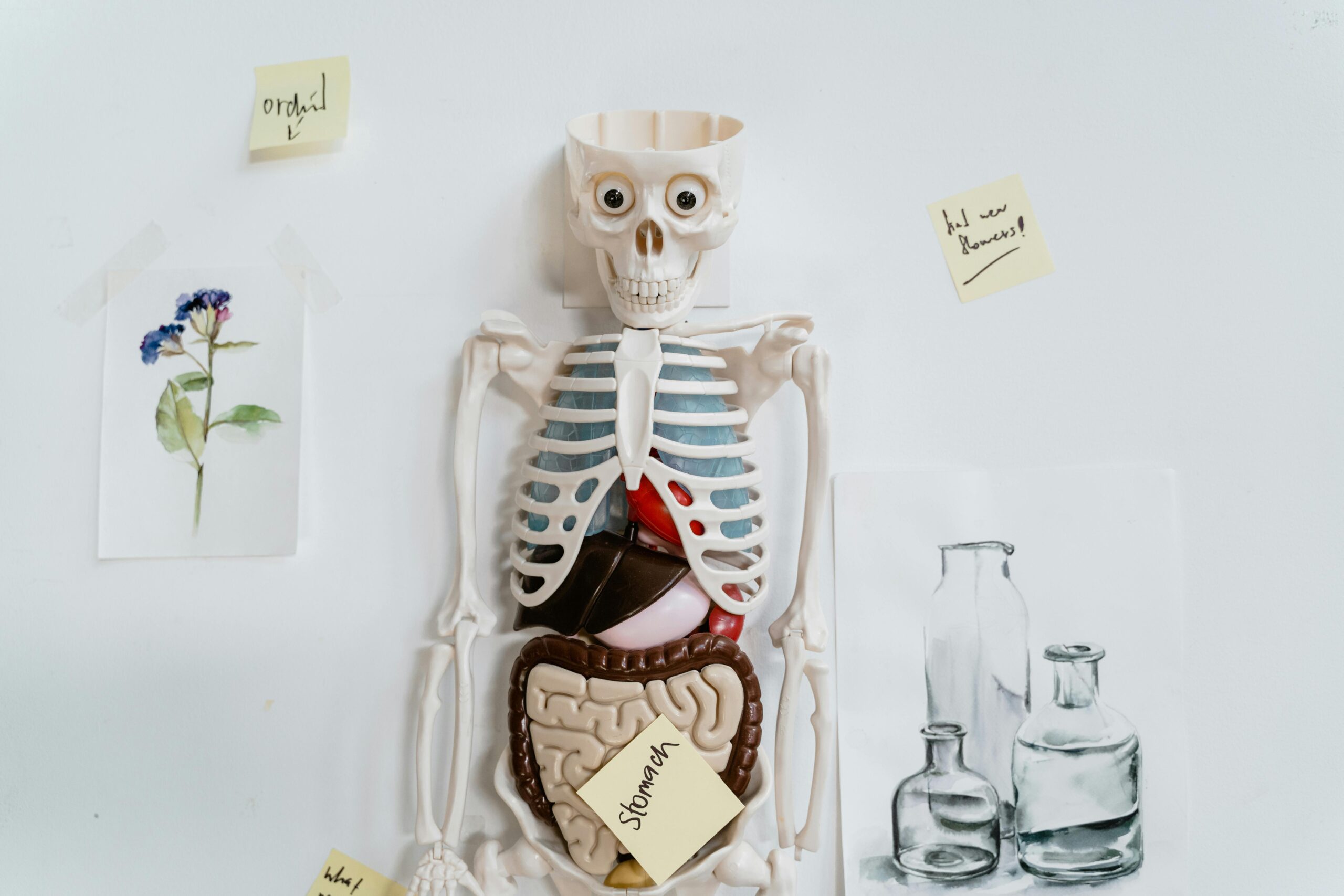



The human gut microbiome is a complex ecosystem composed of trillions of microorganisms, including bacteria, viruses, fungi, and archaea. Among these, bacteriophages (viruses that infect bacteria) play a significant role in shaping the gut microbiome and influencing human health. This report explores the relationship between gut viruses and health, highlighting recent research findings and practical recommendations for maintaining a healthy gut.
The Gut Microbiome and Health
The gut microbiome is essential for various physiological functions, including digestion, metabolism, and immune system regulation. A balanced and diverse microbiome is associated with better health outcomes, while dysbiosis—an imbalance in microbial communities—has been linked to numerous health issues, such as obesity, diabetes, inflammatory bowel disease (IBD), and mental health disorders (Zhang et al., 2021).
The Role of Bacteriophages
Bacteriophages are the most abundant viruses in the gut and play a crucial role in regulating bacterial populations. They can selectively target and lyse specific bacteria, thereby influencing the composition and diversity of the gut microbiome. Research has shown that certain phages can help control pathogenic bacteria, potentially reducing the risk of infections and contributing to gut health (Duerkop et al., 2016).
A study by Minot et al. (2013) demonstrated that the presence of specific bacteriophages correlates with the abundance of certain bacterial species in the gut. This suggests that phages may play a role in maintaining microbial balance and preventing dysbiosis.
Immune System Interaction
The gut microbiome, including its viral components, interacts closely with the immune system. A healthy microbiome can enhance immune responses, helping to protect against infections and inflammation. Conversely, dysbiosis may lead to immune dysregulation, increasing susceptibility to diseases (Belkaid & Hand, 2014). Research indicates that bacteriophages can modulate immune responses, potentially influencing the development of autoimmune diseases and allergies (Guerin et al., 2018).
Diet and Lifestyle Factors
Diet and lifestyle choices significantly impact the gut microbiome. A diet rich in fiber, fruits, vegetables, and fermented foods promotes microbial diversity and supports gut health. Probiotics and prebiotics are also studied for their potential to enhance gut microbiome composition (Roberfroid, 2007). A study by Wu et al. (2011) found that dietary changes can rapidly alter the gut microbiome, emphasizing the importance of nutrition in maintaining gut health.
Future Research Directions
Ongoing research aims to further elucidate the complex interactions between gut viruses, bacteria, and human health. Investigating the therapeutic potential of bacteriophages, such as phage therapy for bacterial infections, is a promising area of study. Additionally, understanding how specific viral populations can be manipulated to promote health and prevent disease is a critical focus for future research (Keen et al., 2017).
Conclusion
The relationship between gut viruses and health is a dynamic and evolving field of research. Maintaining a healthy gut microbiome through diet and lifestyle choices is essential for overall health. As our understanding of the gut virome expands, it may lead to novel therapeutic strategies for preventing and treating various health conditions.
References
- Belkaid, Y., & Hand, T. (2014). Role of the microbiota in immunity and inflammation. Cell, 157(1), 121-141.
- Duerkop, B. A., et al. (2016). Bacteriophage targeting of microbiota limits the effects of antibiotics on gut microbiota. Nature, 536(7617), 246-249.
- Guerin, E., et al. (2018). The role of bacteriophages in the gut microbiome. Nature Reviews Microbiology, 16(5), 307-319.
- Keen, E. C., et al. (2017). Phage therapy: A renewed approach to combat antibiotic-resistant bacteria. Nature Reviews Microbiology, 15(12), 757-767.
- Minot, S. S., et al. (2013). The human gut virome: Interactions with the gut microbiome and implications for health. Nature Reviews Microbiology, 11(10), 661-670.
- Roberfroid, M. (2007). Prebiotics and probiotics: Are they functional foods? American Journal of Clinical Nutrition, 85(1), 1-2.
- Wu, H., et al. (2011). Dietary modulation of the gut microbiome: A potential strategy for the prevention of obesity and metabolic syndrome. Nature Reviews Endocrinology, 7(8), 457-465.
- Zhang, Y., et al. (2021). The gut microbiome and its role in health and disease. *Nature Reviews Gastroenterology & Hep

REPORT | “Pollution Isn’t Patriotic”
“Pollution Isn’t Patriotic”: American Rivers Mobilizes for Clean Water as a National Priority In January 2025, the conservation organization American…




Leave a Reply