

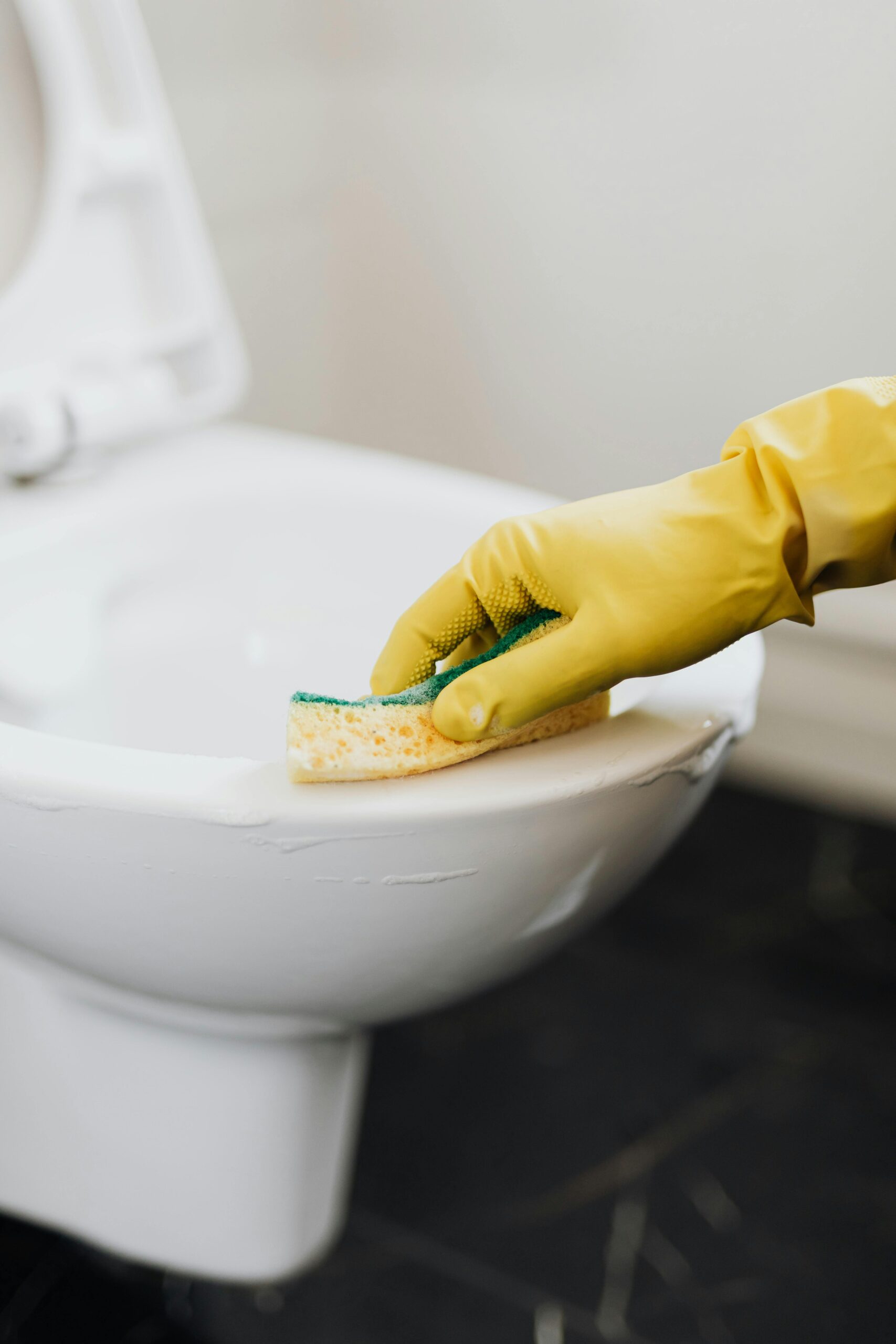



Public restrooms often evoke feelings of discomfort and unease, particularly concerning the sanitation of toilet seats. Recent studies reveal that while these surfaces can harbor a variety of bacteria, the risks associated with using them may be lower than many believe.
Bacterial Presence on Toilet Seats
Research conducted by the University of Arizona has illuminated the microbial landscape of public restrooms. The study found that toilet seats can carry bacteria such as E. coli and Klebsiella, which stem from human waste and skin contact (Cohn, 2020). However, these bacteria are typically not encountered in sufficient quantities to pose a significant health threat, especially in healthy individuals.
Comparison to Other Surfaces
Interestingly, the same research indicates that toilet seats are often less contaminated than other surfaces within the restroom. For instance, door handles and faucet knobs frequently exhibit higher levels of pathogens, suggesting that the fear surrounding toilet seats may be misplaced (Cohn, 2020).
Low Risk of Disease Transmission
Experts agree that the risk of contracting an infection from a toilet seat is minimal. According to a study published in the journal Infection Control and Hospital Epidemiology, many bacteria found on toilet seats are common to many environments and do not necessarily lead to infections when contacted through intact skin (Bennett et al., 2019). While it’s still important to practice caution, direct transmission through contact with toilet seats is rare.
Hygiene Practices Matter
While the low risk surrounding toilet seats is reassuring, hygiene remains a critical factor in maintaining health. Health authorities recommend employing best practices such as:
- Using toilet paper or disposable seat covers.
- Avoiding direct contact with the seat when possible.
- Washing hands thoroughly with soap and water after restroom use.
Additionally, some studies have focused on the aerosol transmission of pathogens during toilet flushing, which creates an aerosol “plume” that can disperse bacteria and viruses into the air (Gerba et al., 2019). This highlights the importance of hygiene in ensuring that surfaces are clean and that individuals are taking necessary precautions.
Conclusion
In summary, while public toilet seats can indeed harbor bacteria, the overall risk of infection from using them is low, especially when combined with good hygiene practices. For those navigating public restrooms, understanding these factors can instill a greater sense of confidence and safety.
References
- Bennett, T. J., et al. (2019). “Surface sampling in public restrooms reveals unsuspected sources of infection.” Infection Control and Hospital Epidemiology.
- Cohn, J. (2020). “The Dirty Truth About Toilet Seats.” University of Arizona.
- Gerba, C. P., et al. (2019). “Aerosols and the Role of Flushing in the Transmission of Pathogens.” American Journal of Infection Control.
This report emphasizes the scientifically grounded understanding of hygiene in public restrooms, making it clear that fear can often overshadow the actual risks present.

REPORT | “Pollution Isn’t Patriotic”
“Pollution Isn’t Patriotic”: American Rivers Mobilizes for Clean Water as a National Priority In January 2025, the conservation organization American…



Leave a Reply