

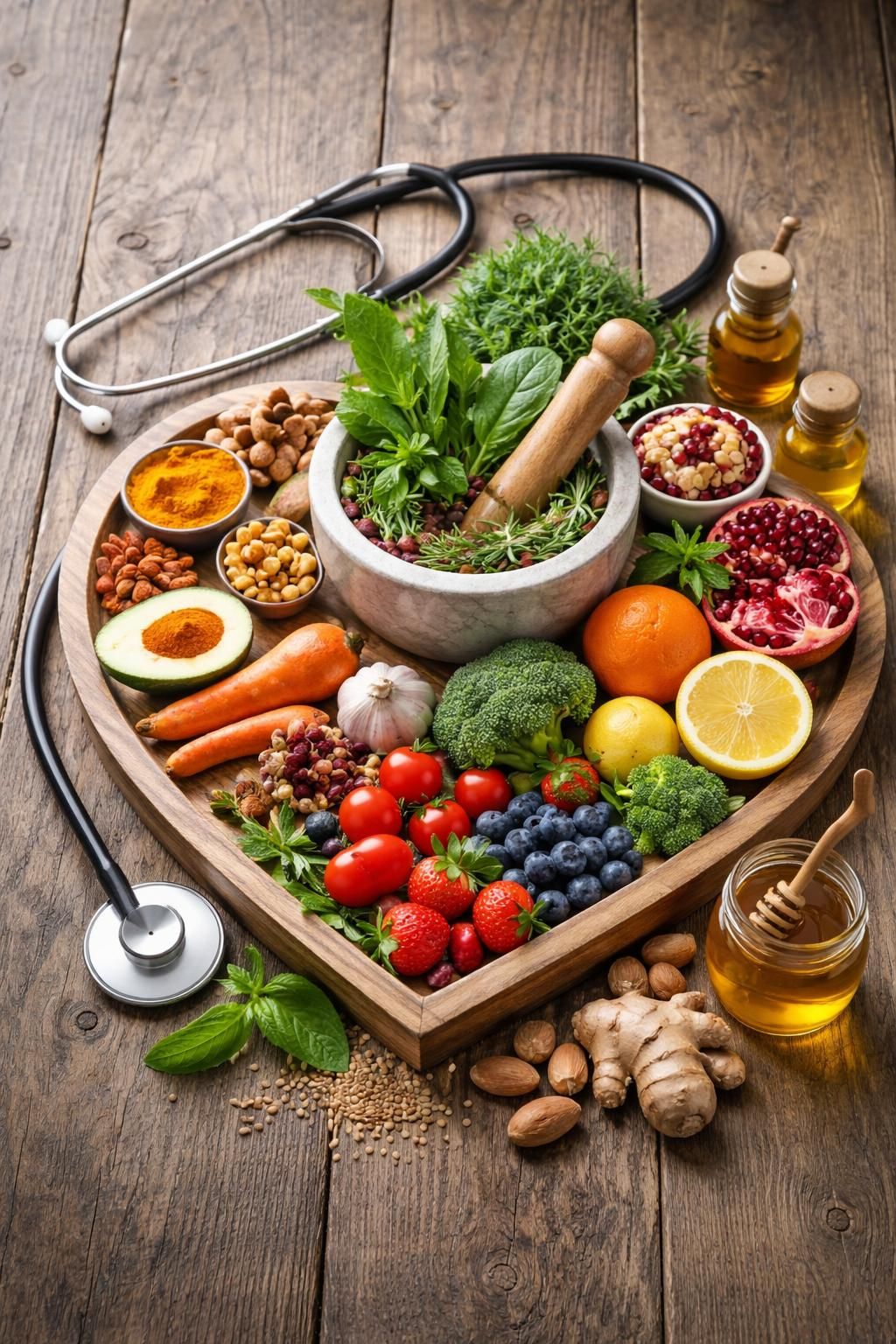



Feeding Health? How “Food is Medicine” Programs Could Boost the Economy
On March 11, 2026, The Rockefeller Foundation released a groundbreaking report titled “From Farm to FIM: The Economic Impact of Local Food is Medicine.” This analysis explores the potential economic benefits of “Food is Medicine” (FIM) initiatives, which aim to improve health outcomes through access to nutritious food. The findings suggest that scaling these programs could not only enhance public health but also stimulate local economies across the United States.
Economic Potential of Food is Medicine Programs
The report outlines several key projections that highlight the significant economic impact that FIM initiatives could have if implemented on a broader scale:
- $45 Billion in Economic Activity: By effectively serving 43 million Americans who require dietary interventions, FIM programs could generate an estimated $45 billion in state economic activity. This figure underscores the potential of a well-implemented FIM strategy to influence local economies positively.
- Job Creation: The establishment and expansion of FIM programs could create approximately 316,000 jobs nationwide. This encompasses employment in various sectors, including healthcare, agriculture, and food distribution, contributing to a robust job market.
- Support for Local Farms: FIM initiatives are expected to bring about $5.6 billion in revenue specifically for small and mid-sized farms. By focusing on locally-sourced produce and tailored meal plans, these programs would help sustain rural economies and promote agricultural resilience.
Health Improvements and Cost Savings
The implications of FIM programs extend beyond economic metrics; they also promise significant health advantages:
- Healthcare Cost Reduction: The report estimates that effective implementation of FIM initiatives could save the U.S. healthcare system approximately $23.7 billion annually. This reduction arises from decreased reliance on expensive medical interventions for diet-related conditions, showcasing the cost-effectiveness of preventive health strategies.
- Access to Healthy Food: By providing produce prescriptions and medically tailored meals, FIM programs address food insecurity and promote healthier eating habits. This approach is particularly important for managing chronic diseases such as diabetes, hypertension, and obesity.
Local Sourcing Benefits
One of the key insights from the report is the strong emphasis on local sourcing:
- Investment in Local Communities: FIM programs prioritize partnerships with local farms and food businesses, ensuring that funding for these initiatives circulates within communities. This localized approach promotes community engagement and bolsters regional economies, ultimately leading to a more sustainable food system.
- Environmental Sustainability: Supporting local agriculture can also reduce the carbon footprint associated with food transportation, addressing environmental concerns linked to large-scale, industrial food production.
The report from The Rockefeller Foundation lays a compelling case for the transformative potential of “Food is Medicine” programs. By emphasizing a dual approach that addresses both health and economic challenges, these initiatives stand to benefit millions of Americans while invigorating local economies.
As policymakers, healthcare providers, and community advocates look to the future, embracing FIM could lead to a healthier population and a more resilient economy—truly making the case that what we eat matters not just for our health but for the health of our communities as well.
Citations
- The Rockefeller Foundation. “From Farm to FIM: The Economic Impact of Local Food is Medicine.” March 11, 2026.
- Food is Medicine Coalition. “The Role of Nutrition in Healthcare.” 2024.
- U.S. Department of Agriculture. “The Economic Contributions of the Local Food Sector.” 2025.
- Centers for Disease Control and Prevention. “The Impact of Diet on Chronic Disease.” 2023.
Leave a Reply