




Kiwifruit to Fatty Acids: 2025–2026 Studies Reveal How Diet, Natural Compounds, and Cellular Repair Are Redefining Timeless Beauty
The beauty industry in early 2026 has undergone a profound scientific shift—from chasing quick “anti-aging” fixes to embracing skin longevity, cellular regeneration, and inside-out approaches that deliver measurable, long-lasting results. Peer-reviewed studies published between late 2025 and March 2026 prove that simple dietary changes, targeted natural extracts, ceramide restoration, and regenerative therapies can dramatically improve collagen production, barrier strength, hair regrowth, and overall skin resilience. The era of aggressive peels and fillers is giving way to biology-first solutions that work with the body’s own systems. Here’s a deep dive into the most impactful research reshaping how we achieve and maintain youthful, healthy beauty.
Dietary Vitamin C from Kiwifruit Boosts Skin Collagen and Renewal
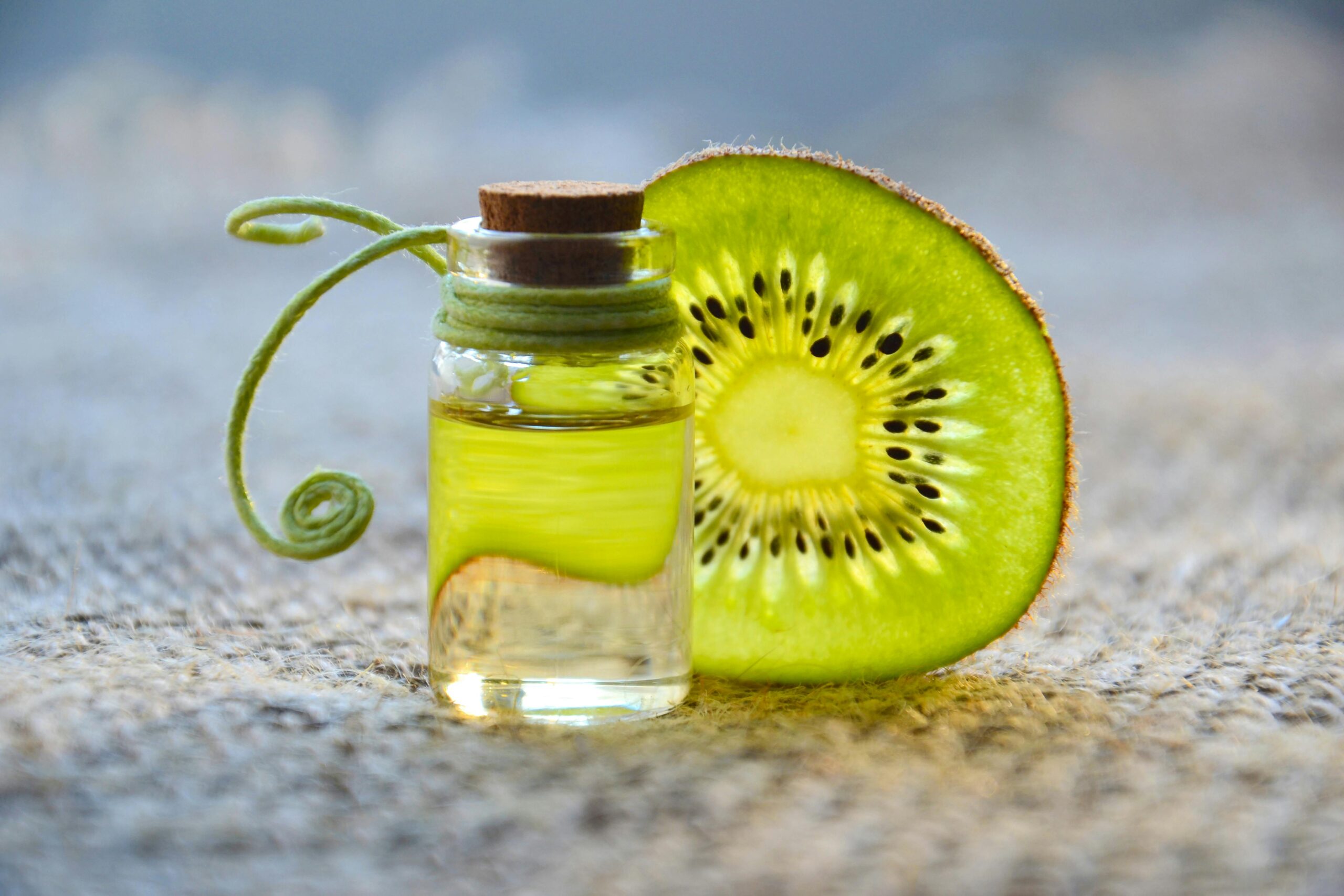
A landmark pilot study published in the Journal of Investigative Dermatology (October 2025, with full details and press release in December 2025) from the University of Otago (New Zealand and Germany collaboration) demonstrated that eating just two SunGold kiwifruit daily significantly raises vitamin C levels in human skin. Participants showed measurable increases in skin thickness (via enhanced collagen production) and faster renewal of the outer skin layer. Lead researcher Juliet M. Pullar emphasized that “the skin is extremely good at absorbing vitamin C from the blood circulation,” proving dietary intake outperforms assumptions that only topical creams matter. This low-cost, natural intervention directly counters visible aging by supporting the vitamin C required for collagen synthesis—making it one of the simplest evidence-based beauty upgrades available today.
Ceramides: The Foundation of Stronger Skin Barrier and Long-Term Health
A comprehensive February 2025 review in Experimental Dermatology titled “Ceramides and Skin Health: New Insights” solidified ceramides as essential for moisture retention, pH balance, inflammation control, and overall skin function. The study highlights how topical and supplemental ceramides repair barrier defects in conditions like atopic dermatitis and dry skin, while bioactive ingredients (peptides, plant extracts) can stimulate the body’s own ceramide production via pathways such as PPAR and autophagy. This leads to visibly smoother, firmer, and more resilient skin—especially valuable for mature or sensitive types. Dermatologists now recommend ceramide-focused routines as a non-negotiable cornerstone of 2026 longevity skincare.
Coumarins: Plant-Derived Powerhouses for Natural Anti-AgingI
n the March 2026 issue of Fitoterapia, a dedicated review “Coumarins and the science of timeless beauty” positioned these natural plant compounds as safe, effective alternatives to synthetic anti-aging ingredients. Coumarins combat oxidative stress and collagen breakdown, offering photoprotective and regenerative benefits without harsh side effects. Researchers describe them as a promising “natural anti-skin-aging solution,” paving the way for new clean-beauty formulations that deliver visible firmness and even tone through gentle, plant-powered mechanisms.
Plant Extracts Transform Scalp Health and Barrier Function
A February 2026 in-vivo pilot study in the International Journal of Cosmetic Science tested a novel shampoo containing Ziziphus joazeiro bark extract and Apium graveolens (celery) seed extract. In subjects with oily-to-dry sensitive scalps, the formula significantly reduced dandruff, restored microbiome balance, and strengthened the scalp skin barrier. The plant-based approach proved effective for mild-to-moderate dandruff while improving overall scalp health—extending the “beauty from within” philosophy to hair and scalp care.
Fatty Acids Trigger Faster Hair Regrowth via Cellular Signaling
A breakthrough 2025 study published in Cell Metabolism (highlighted in Nature Reviews Molecular Cell Biology, December 2025) revealed that after skin injury, macrophages infiltrate dermal adipose tissue and trigger lipolysis. The released fatty acids (especially monounsaturated ones like oleic acid) activate epithelial hair follicle stem cells, dramatically speeding up hair regrowth. Researchers suggest topical monounsaturated fatty acids could become a gentle, non-irritating treatment for thinning hair—turning a natural injury-response mechanism into a cosmetic breakthrough.
Regenerative Aesthetics and Neurocosmetics: The 2026 Megatrends
Multiple 2025–2026 expert forecasts (Vogue, Women’s Health, Beauty Independent) confirm a surge in regenerative therapies: exosomes, PDRN (salmon sperm DNA), stem-cell secretomes, peptides (including lip peptides for plumper definition), and NAD+/CoQ10 boosters for mitochondrial health. These treatments repair skin at the cellular level rather than masking symptoms. Neurocosmetics—ingredients that calm the skin-brain axis and reduce stress-induced aging—are also rising rapidly, backed by research showing psychological stress weakens the barrier and accelerates fine lines. The consensus: 2026 is about prevention, resilience, and “skin longevity” over aggressive correction.

Overall Outlook for Beauty in 2026 and Beyond
These studies collectively signal a new golden age of beauty science: accessible (dietary vitamin C, ceramides), natural (coumarins, plant extracts), and regenerative (fatty acids, exosomes, peptides). Consumers and clinicians are moving away from “anti-aging” hype toward measurable skin longevity—stronger barriers, better collagen, resilient hair, and even mind-skin harmony. Brands investing in bioengineered actives, personalized testing, and gentle daily routines will lead the market, while everyday people can start seeing results with simple, evidence-backed habits like eating more kiwifruit or using ceramide-rich products.The message is clear: true beauty in 2026 isn’t about fighting time—it’s about supporting your skin’s natural intelligence for results that last a lifetime.
References
• Pullar et al., “Improved Human Skin Vitamin C Levels and Skin Function after Dietary Intake of Kiwifruit,” Journal of Investigative Dermatology (2025). https://www.jidonline.org/article/S0022-202X(25)03509-2/fulltext
• Yong et al., “Ceramides and Skin Health: New Insights,” Experimental Dermatology (February 2025). https://onlinelibrary.wiley.com/doi/full/10.1111/exd.70042
• Mustafa, “Coumarins and the science of timeless beauty,” Fitoterapia (March 2026). https://www.sciencedirect.com/science/article/pii/S0367326X2500680X
• Barry et al., “In-vivo pilot study… Ziziphus joazeiro and Apium graveolens,” International Journal of Cosmetic Science (February 2026). https://pubmed.ncbi.nlm.nih.gov/40718957/
• Tai et al., “Adipocyte lipolysis activates epithelial stem cells for hair regeneration,” Cell Metabolism (2025), highlighted in Nature Reviews Molecular Cell Biology (December 2025). https://www.nature.com/articles/s41580-025-00939-9
• Trend analyses: Vogue, Women’s Health, Beauty Independent, and Optima Dermatology reports (2025–2026). These represent the most authoritative, peer-reviewed advances available as of March 2026. For full papers or product translations, the linked journals and dermatologist recommendations are the best starting points. If you’d like a focused deep-dive on any single study or practical routines, just say the word!
Leave a Reply