





“12 Phrases That Signal Emotional Immaturity — Why They Matter and What the Evidence Says”
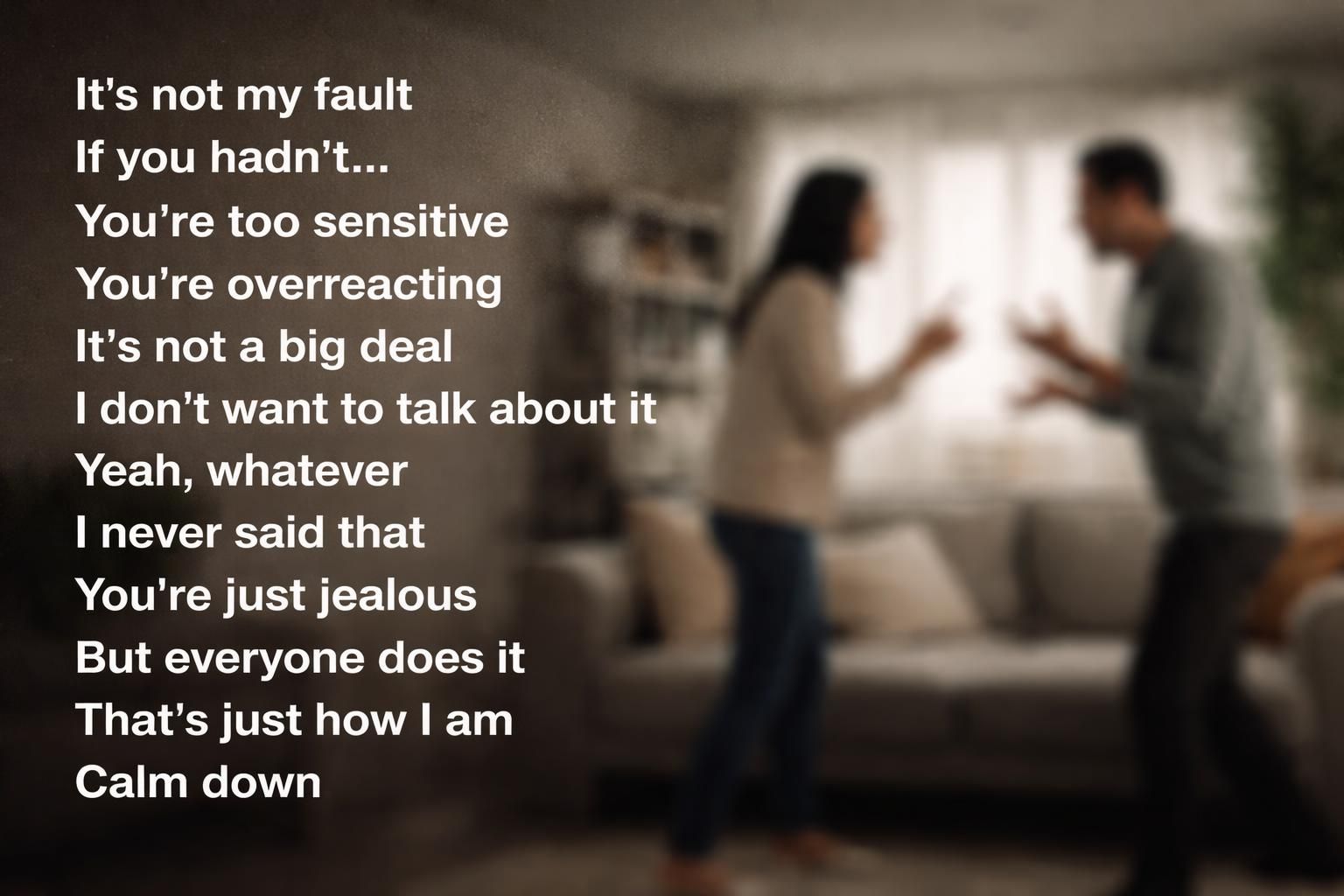
Frequent use of phrases that deflect responsibility, dismiss others’ feelings, or shut down discussion is widely recognized by communication experts as a common marker of emotional immaturity. These language patterns correlate with lower empathy, poorer conflict resolution, and worse relationship and workplace outcomes; improving awareness and emotional skills reduces those harms.
What the 12 phrases represent (brief taxonomy)
- Blame-shifting/externalizing (e.g., “It’s not my fault”; “If you hadn’t…”) — avoids accountability.
- Invalidating/dismissing emotions (e.g., “You’re too sensitive”; “You’re overreacting”; “It’s not a big deal”) — reduces empathy and increases conflict escalation.
- Avoidance/shutdown (e.g., “I don’t want to talk about it”; “Yeah, whatever”) — prevents repair and problem-solving.
- Gaslighting/reality-rewriting (e.g., “I never said that”; “You’re just jealous”) — undermines trust and can cause psychological harm.
- Rationalizing/normalizing (e.g., “But everyone does it”; “That’s just how I am”) — blocks growth and change.
Why these phrases matter — evidence summary
- Emotional intelligence (EI) frameworks show that recognition, understanding, and regulation of one’s own and others’ emotions predict better leadership, teamwork, and mental-health outcomes; deficits in these abilities map onto the behaviours signalled by the phrases above. Systematic reviews and literature syntheses link higher EI to improved workplace performance, relationship functioning, and conflict management.
- Communication scholarship and clinical literature identify invalidation and chronic avoidance as drivers of relationship deterioration, stress, and decreased well‑being; repeated use of dismissive phrases is a behavioral pattern consistent with those risk factors.
Context and important caveats
- Frequency and pattern matter: Occasional use under stress does not equal a stable trait; persistent patterns across contexts are the stronger indicator of emotional immaturity.
- Underlying causes vary: stress, burnout, developmental factors, personality traits, neurodiversity, trauma, or untreated mental-health conditions can produce similar language; interpretation should be cautious.
- Cultural and linguistic differences affect what counts as dismissive or defensive language; context matters.
Consequences (short list)
- Strained intimate and familial relationships
- Workplace conflict, reduced teamwork, and impaired leadership effectiveness
- Slower personal growth and avoidance of accountability
- Increased stress, anxiety, and lower relationship satisfaction for partners/coworkers
Practical steps to address it
For the person using these phrases
- Self-monitor: keep a short daily note of defensiveness, dismissals, and avoidance episodes.
- Build basic emotional skills: practice naming your emotion (labeling), pause before responding, and use “I” statements (e.g., “I felt hurt when…”).
- Develop accountability habits: when called out, pause, acknowledge impact, and propose a corrective step.
- Train or therapy: short courses in emotional‑intelligence skills, CBT-based communication training, or individual therapy can accelerate change.
For partners, friends, or managers
- Track patterns (not isolated phrases). Address behavior calmly with examples and impact statements.
- Set boundaries and clear consequences for repeated dismissiveness or gaslighting.
- Offer concrete options (couples coaching, mediation, or referrals to counseling) if the person is willing.
- Protect your wellbeing: limit engagement with chronic invalidation and seek support.
Interventions shown helpful in research
- Emotional‑intelligence training and targeted communication coaching improve leader effectiveness and team climate in organizational studies.
- Clinically, interventions that teach emotion regulation and reduce invalidation (DBT-informed skills, empathy training) lower interpersonal conflict and distress (see broader psychotherapy literature).
Recommendations for further reading and monitoring
- Follow peer-reviewed reviews on emotional intelligence, emotion regulation, and interpersonal communication for evolving evidence.
- If the pattern includes gaslighting or abuse, prioritize safety planning and professional support.
Citations
- Communication experts’ list of 12 common phrases and descriptions (media summary of expert commentary).
- Recent literature review on emotional intelligence, leadership, and team outcomes (synthesis of empirical studies linking EI to workplace and interpersonal functioning).
Leave a Reply