




Introduction
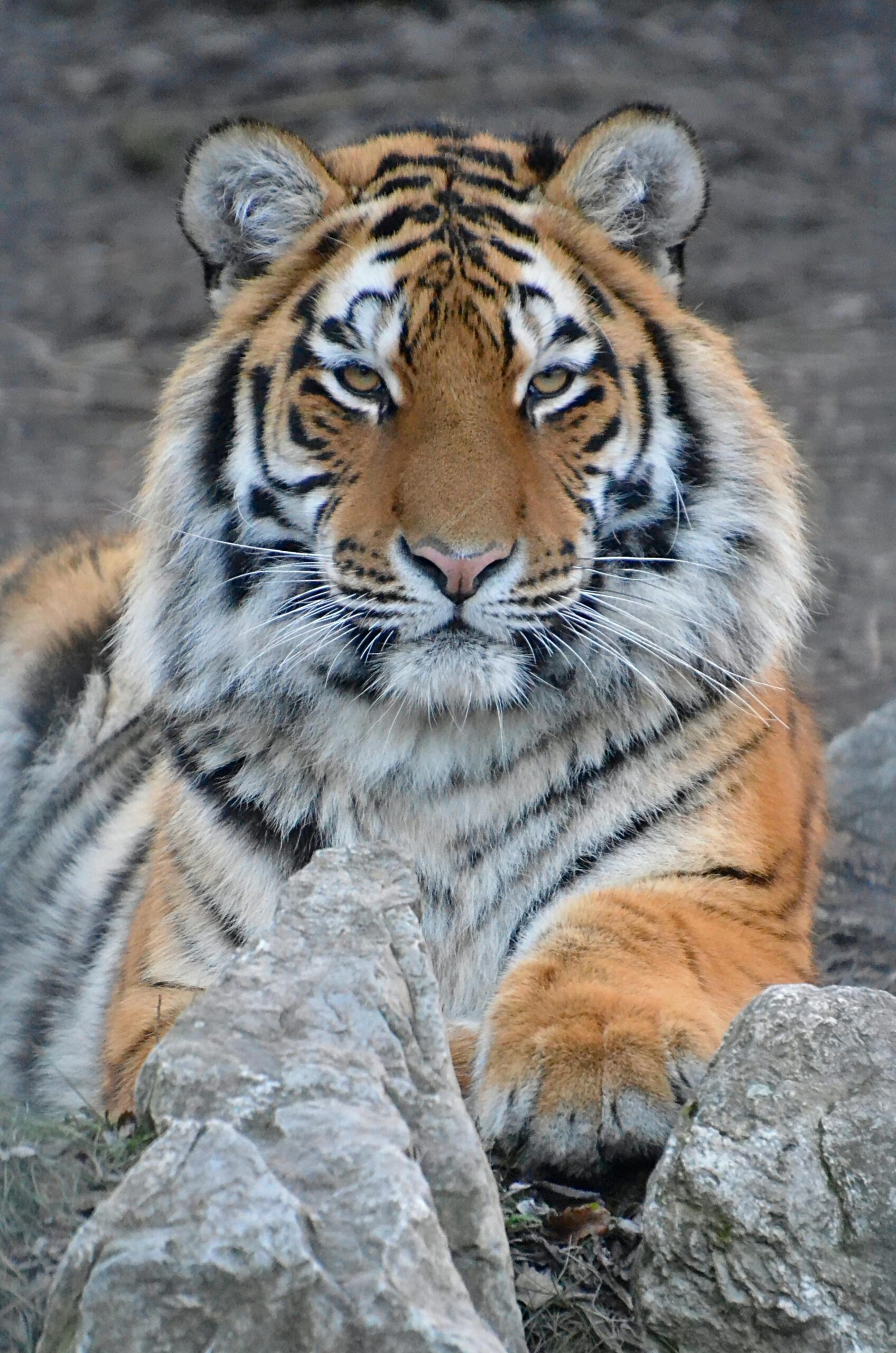
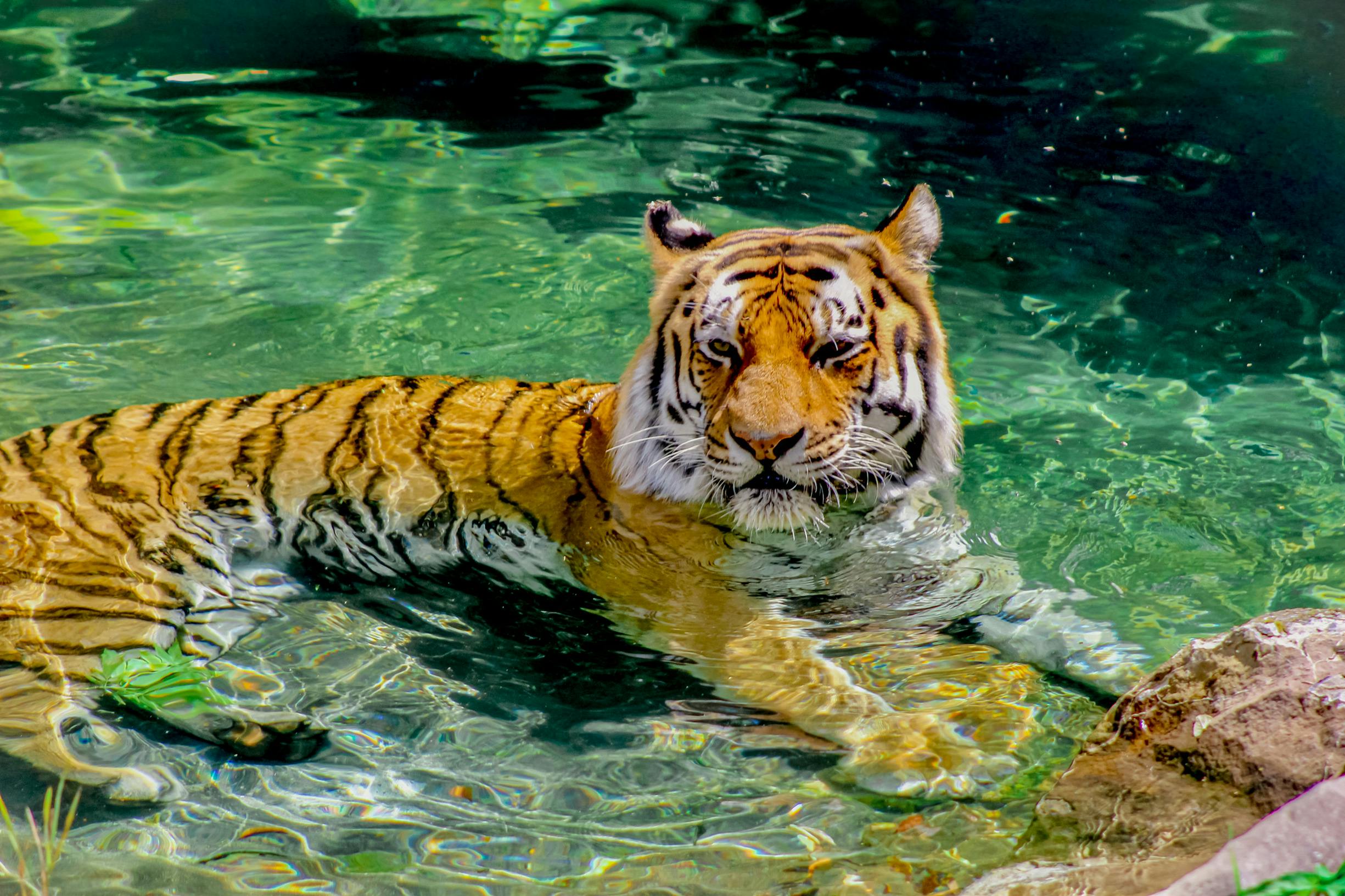
In the Gulf region, owning exotic pets—particularly big cats like lions, tigers, and cheetahs—has become a symbol of wealth, power, and status. This growing trend, however, raises significant ethical, environmental, and legal concerns. A recent article by Semafor delves into the Gulf’s exotic pet obsession, exploring its cultural roots, the challenges it poses, and the broader implications for wildlife conservation and animal welfare.
The Allure of Exotic Pets
- Status Symbols:
- In countries like the UAE, Saudi Arabia, and Qatar, owning exotic animals is seen as a display of affluence and prestige. Social media platforms are flooded with images and videos of wealthy individuals showcasing their lions, tigers, and even rare species like white cheetahs.
- These animals are often kept in lavish enclosures or even inside luxury homes, with some owners spending millions on their care and maintenance.
- Cultural Factors:
- The fascination with exotic pets is partly rooted in cultural traditions that celebrate strength, power, and rarity. Big cats, in particular, are admired for their beauty and ferocity.
- The trend is also fueled by a desire to stand out in a region known for its opulence and extravagance.

The Dark Side of the Trend
- Animal Welfare Concerns:
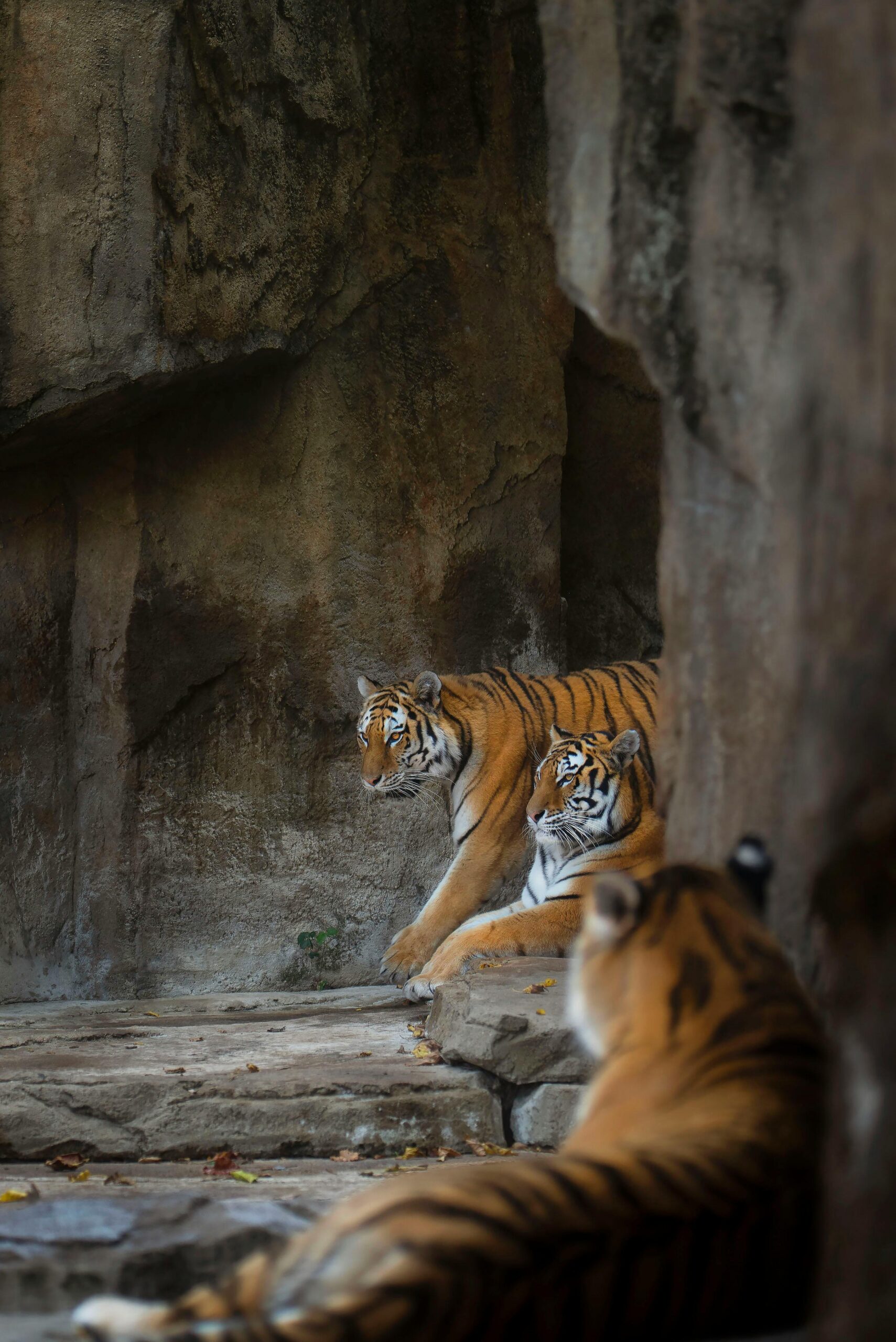
- Many exotic pets are kept in inadequate conditions, lacking the space, diet, and enrichment they need to thrive.
- The illegal wildlife trade often involves cruel practices, such as smuggling animals in cramped conditions or separating cubs from their mothers at a young age.
- Threats to Conservation:
- The demand for exotic pets contributes to the decline of wild populations, as animals are captured from their natural habitats or bred in captivity under questionable conditions.
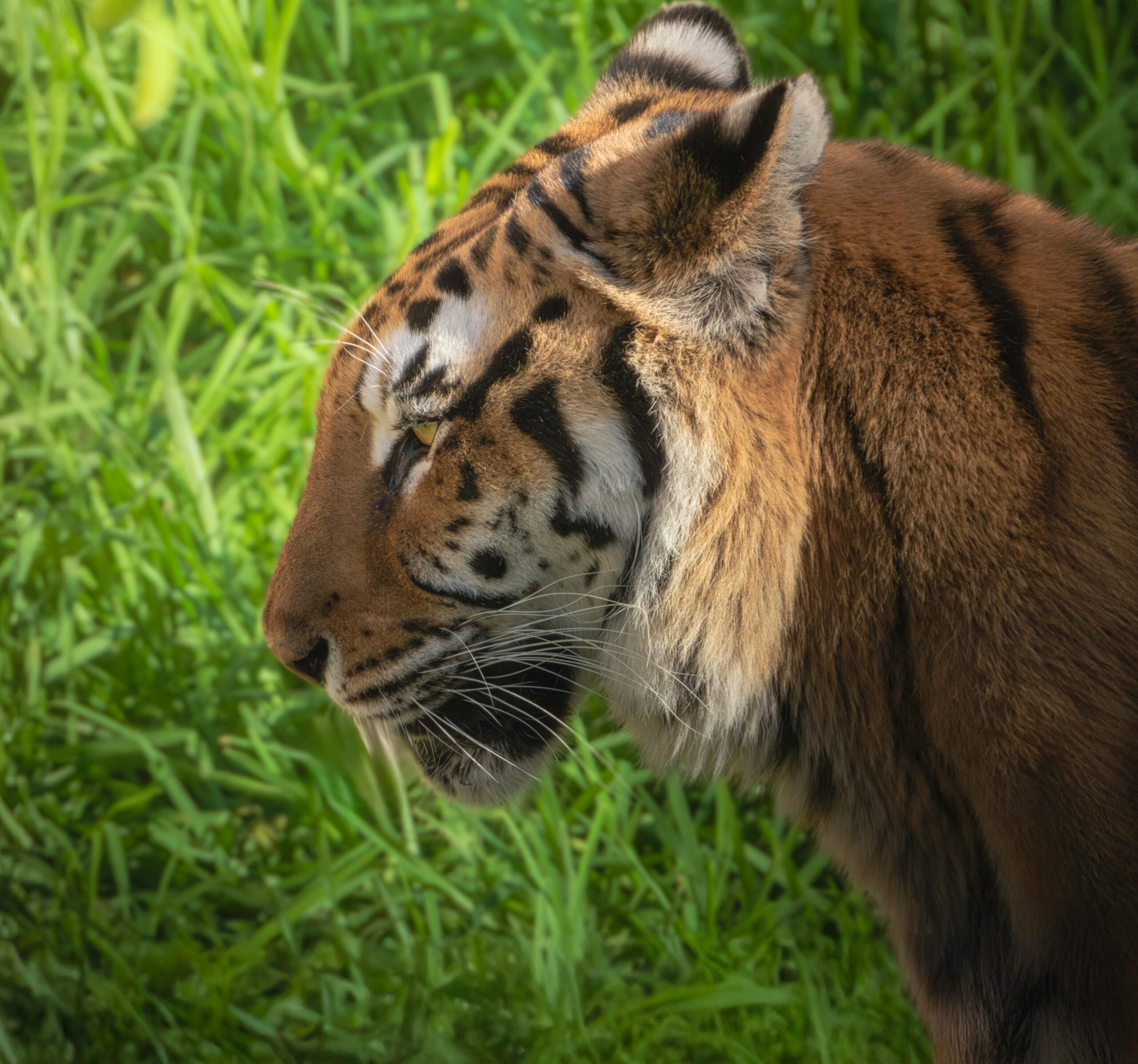
- Species like lions, tigers, and cheetahs are already endangered, and the exotic pet trade exacerbates their plight.
- Legal and Regulatory Gaps:
- While some Gulf countries have introduced laws to regulate the ownership of exotic animals, enforcement remains inconsistent.
- Loopholes in legislation allow the trade to continue, often under the guise of private zoos or breeding facilities.
Efforts to Address the Issue
- Awareness Campaigns:
- Animal welfare organizations and conservation groups are working to raise awareness about the ethical and environmental consequences of owning exotic pets.
- Social media influencers and celebrities are increasingly using their platforms to advocate for responsible pet ownership and wildlife protection.
- Legislative Reforms:
- Some Gulf countries are tightening regulations on the import and ownership of exotic animals. For example, the UAE has introduced stricter penalties for illegal wildlife trade and unlicensed ownership.
- International organizations like CITES (Convention on International Trade in Endangered Species) are also pushing for stronger global measures to combat the trade.
- Sanctuaries and Rehabilitation:
- Rescue organizations and sanctuaries are stepping in to provide care for confiscated or abandoned exotic pets. These facilities aim to rehabilitate animals and, where possible, reintroduce them to the wild.
Broader Implications
- Cultural Shifts:
- Changing attitudes toward animal welfare and conservation could lead to a decline in the demand for exotic pets. Younger generations in the Gulf are increasingly aware of the ethical issues surrounding the trend.
- Global Impact:
- The Gulf’s exotic pet obsession is part of a larger global problem. Addressing it requires international cooperation and a commitment to protecting endangered species and their habitats.
- Economic Opportunities:
- Shifting the focus from exotic pet ownership to eco-tourism and wildlife conservation could create new economic opportunities while promoting sustainability.

Conclusion
The Gulf’s fascination with exotic pets reflects a complex interplay of culture, wealth, and status. However, this trend comes at a significant cost to animal welfare, conservation efforts, and global biodiversity. By raising awareness, strengthening regulations, and promoting ethical alternatives, the region can move toward a more sustainable and compassionate relationship with wildlife.
Prepared by: FR Staff
This article is based on the Semafor article published on February 5, 2025. For more details, refer to the original source.






Leave a Reply