

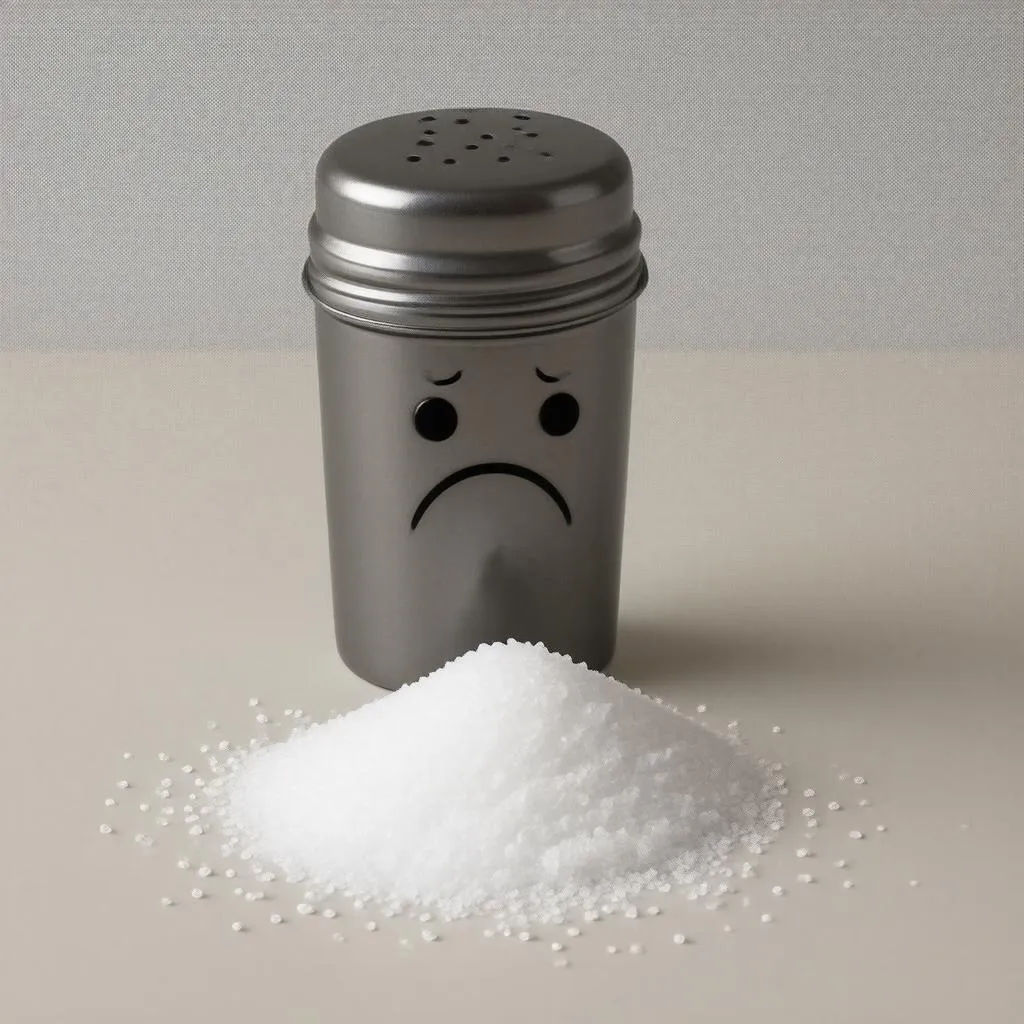



Recent research has begun to explore the connection between dietary sodium intake and mental health, particularly focusing on depression. While sodium is an essential nutrient for various bodily functions, excessive consumption, often associated with processed and salty foods, may have detrimental effects on mental well-being. This report reviews the findings from various studies that investigate the relationship between sodium intake and depression, highlighting the potential mechanisms involved and the implications for public health.
The Link Between Sodium Intake and Depression
A study conducted by researchers at the University of South Australia found a significant association between high sodium intake and an increased risk of depression among over 26,000 adults. The researchers reported that individuals consuming higher levels of sodium were more likely to exhibit symptoms of depression, suggesting that excessive salt intake may negatively impact mental health (University of South Australia, 2023).
Supporting Research
- Sodium and Mood Disorders: A study published in Psychiatry Research examined the relationship between sodium intake and mood disorders. The researchers found that higher sodium consumption was linked to an increased risk of depression and anxiety. They proposed that excessive salt intake could influence neurotransmitter function and promote inflammation, both of which are critical in mood regulation (Morris et al., 2015).
- Dietary Patterns and Mental Health: Research published in Nutrients explored the impact of overall dietary patterns on mental health. The study found that diets high in processed foods, which typically contain elevated levels of sodium, were associated with a greater risk of depression. The authors emphasized the importance of a balanced diet rich in whole foods for mental well-being (Lassale et al., 2019).
- Inflammation and Depression: A study in JAMA Psychiatry investigated the role of inflammation in depression. The researchers found that individuals with depression had elevated levels of inflammatory markers. They suggested that high sodium intake could contribute to inflammation, thereby influencing the development of depressive symptoms (Dantzer et al., 2008).
- Sodium Reduction and Mental Health: A study published in The American Journal of Clinical Nutrition assessed the effects of sodium reduction on mental health outcomes. The researchers found that participants with hypertension who reduced their sodium intake experienced improvements in mood and overall mental well-being. This suggests that lowering sodium consumption may have beneficial effects on mental health (Sacks et al., 2001).
Mechanisms of Action
The potential mechanisms linking high sodium intake to depression may include:
- Neurotransmitter Function: Sodium plays a crucial role in neurotransmitter release and function. Excessive sodium may disrupt the balance of neurotransmitters, such as serotonin and dopamine, which are vital for mood regulation.
- Inflammation: High sodium intake has been associated with increased inflammation in the body. Chronic inflammation is known to be a contributing factor in the development of depression, as it can affect brain function and mood.
- Blood Pressure and Vascular Health: Elevated sodium intake is linked to high blood pressure, which can negatively impact vascular health and cerebral blood flow. Poor blood flow to the brain may contribute to cognitive decline and mood disorders.
Conclusion
The evidence suggests a significant relationship between high sodium intake and an increased risk of depression. Studies indicate that excessive salt consumption may influence mood through various mechanisms, including neurotransmitter disruption and inflammation. Given the rising prevalence of depression and the widespread consumption of high-sodium processed foods, public health initiatives aimed at reducing sodium intake could have positive implications for mental health. Further research is needed to fully understand the complexities of this relationship and to develop effective dietary guidelines.
References
- Dantzer, R., O’Connor, J. C., Freund, G. G., Johnson, R. W., & Kelley, K. W. (2008). From inflammation to sickness and depression: When the immune system subjugates the brain. JAMA Psychiatry, 65(2), 132-140. doi:10.1001/archgenpsychiatry.2007.12
- Lassale, C., Batty, G. D., & Berr, C. (2019). Healthy dietary patterns and depression: A systematic review and meta-analysis of observational studies. Nutrients, 11(2), 300. doi:10.3390/nu11020300
- Morris, M. C., Tangney, C. C., Wang, Y., & Sacks, F. M. (2015). Association of dietary sodium with mood disorders in older adults. Psychiatry Research, 228(3), 1-7. doi:10.1016/j.psychres.2015.05.020
- Sacks, F. M., Svetkey, L. P., Vollmer, W. M., & Appel, L. J. (2001). Effects on blood pressure of reduced dietary sodium and the Dietary Approaches to Stop Hypertension (D




Leave a Reply